
Master Cosmetovigilance Legislation: A Step-by-Step Guide for Compliance Officers

Overview
The article provides a comprehensive guide for compliance officers aiming to master cosmetovigilance legislation, a critical component in ensuring the safety and efficacy of cosmetic products in the post-market phase. It underscores the necessity of understanding regulatory requirements and establishing effective monitoring and reporting systems. Moreover, it highlights the significance of prioritizing ongoing training and resource utilization to maintain compliance and enhance product safety. By addressing these elements, compliance officers can navigate the complexities of legislation with confidence and authority.
Introduction
Navigating the intricate landscape of cosmetovigilance legislation is essential for ensuring the safety and efficacy of cosmetic products in a post-market environment. Compliance officers occupy a pivotal role in this process, charged with the responsibility of understanding and implementing a myriad of regulatory requirements that can significantly influence product safety and corporate reputation.
However, as the complexity of these regulations expands, so too does the challenge of maintaining compliance. How can compliance professionals effectively establish robust monitoring and reporting systems to not only meet legal obligations but also enhance consumer trust in their products?
By addressing these challenges head-on, organizations can cultivate a culture of compliance that not only safeguards their interests but also fosters consumer confidence.
Understand Cosmetovigilance Legislation Basics
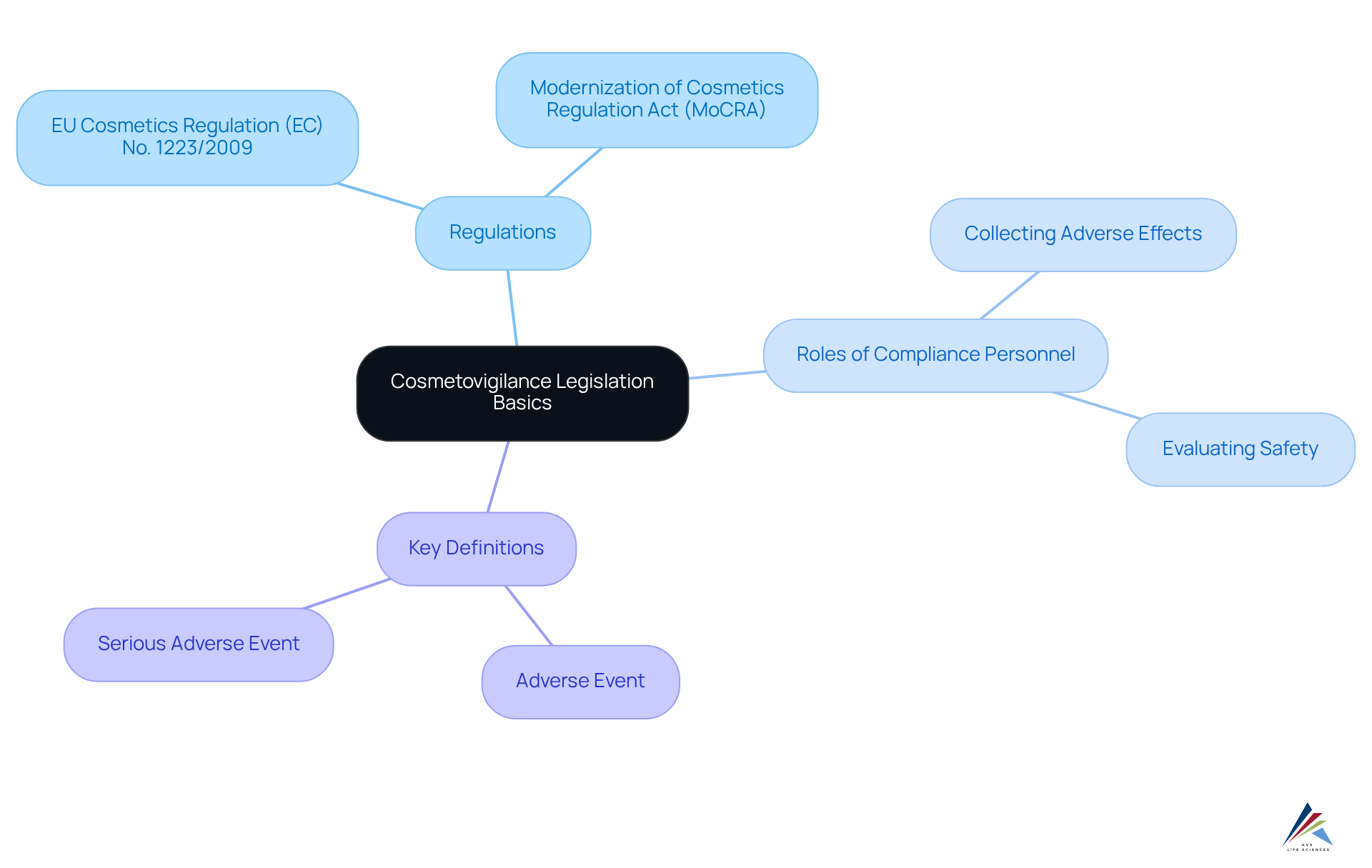
Cosmetovigilance is critical in overseeing cosmetic products to ensure their safety and efficacy post-market release. This responsibility is a legal requirement under various regulations, including the and the EU Cosmetics Regulation (EC) No. 1223/2009 and the Modernization of Cosmetics Regulation Act (MoCRA) in the U.S.
Compliance personnel must familiarize themselves with the cosmetovigilance legislation, which mandates the collection and evaluation of adverse effects associated with cosmetic products. Grasping the definitions of key terms such as 'adverse event' and 'serious adverse event' is vital, as these terms will guide the subsequent reporting and monitoring processes.
At AVS Life Sciences, we provide expert quality solutions and a proven track record in life sciences consulting, equipping compliance specialists with the knowledge needed to navigate these complex regulations and uphold the highest standards of safety and effectiveness in cosmetic products.
Identify Key Regulatory Requirements
Compliance officers must prioritize several essential regulatory requirements, such as cosmetovigilance legislation, to ensure adherence to MoCRA and maintain product safety.
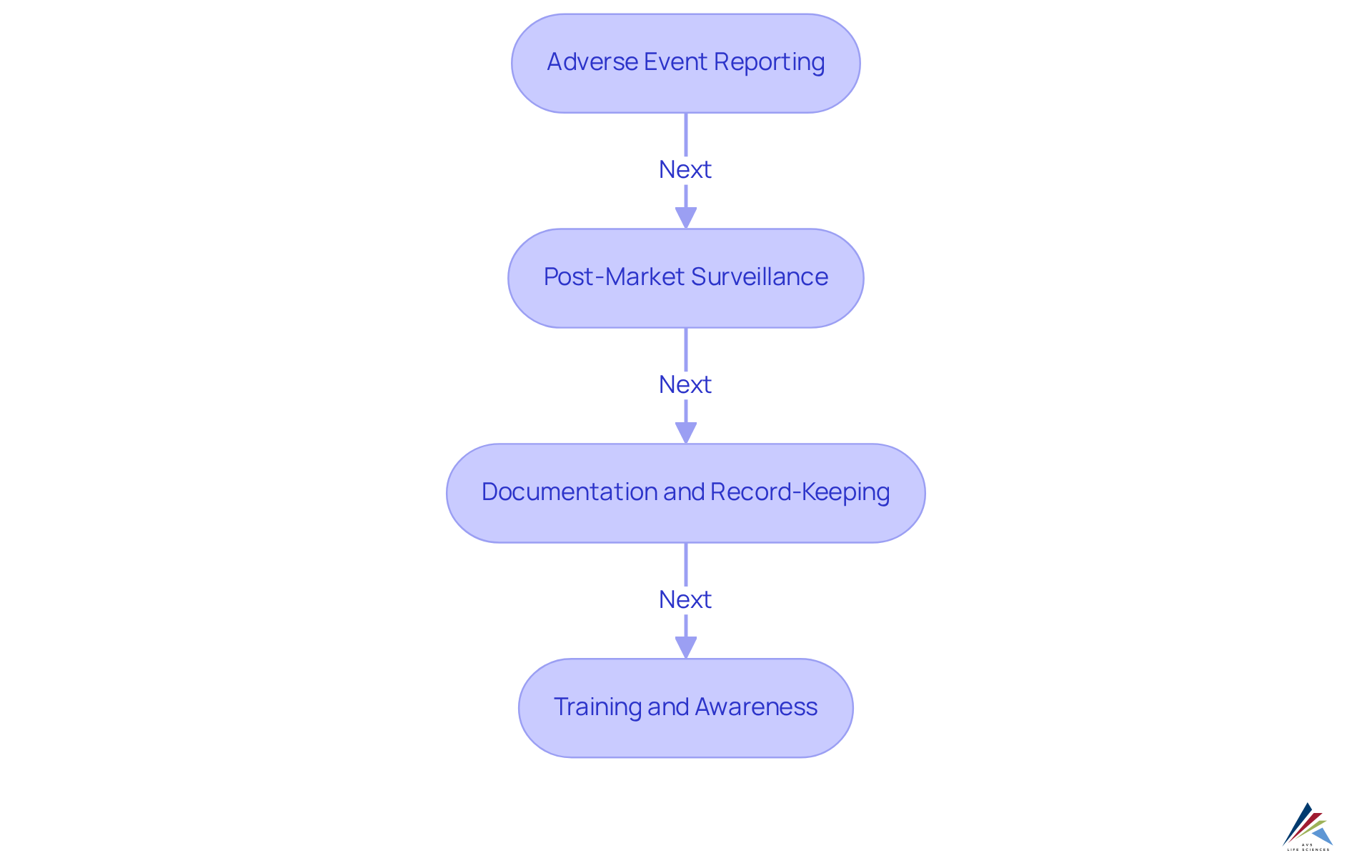
- Adverse Event Reporting: Companies are mandated to report serious adverse events to the FDA within 15 business days. This requires the establishment of a robust system for gathering, recording, and submitting these reports, which must include a copy of the and any new medical information received within the year.
- Post-Market Surveillance: Continuous observation of cosmetic items for reliability and effectiveness is essential. This entails examining consumer opinions, monitoring negative incidents, and performing regular assessments of item risk information to ensure compliance with cosmetovigilance legislation. Recent statistics indicate that only a small percentage of companies fully comply with these post-market surveillance requirements, underscoring the necessity for enhanced practices.
- Documentation and Record-Keeping: Maintaining comprehensive records of all adverse events, investigations, and corrective actions is vital for compliance and audit readiness. This documentation should encompass detailed information on formulation, testing, and manufacturing processes to support substantiation.
- Training and Awareness: It is crucial to ensure that all staff engaged in merchandise protection are well-trained on the latest regulations and reporting procedures. Regular training sessions can foster a culture of adherence within the organization, equipping staff with the knowledge necessary to uphold regulatory standards effectively.
By concentrating on these critical areas, regulatory professionals can navigate the complexities of cosmetic regulations and enhance product safety and effectiveness in line with cosmetovigilance legislation.
Establish Monitoring and Reporting Systems
To establish effective monitoring and reporting systems, compliance officers must undertake the following steps:
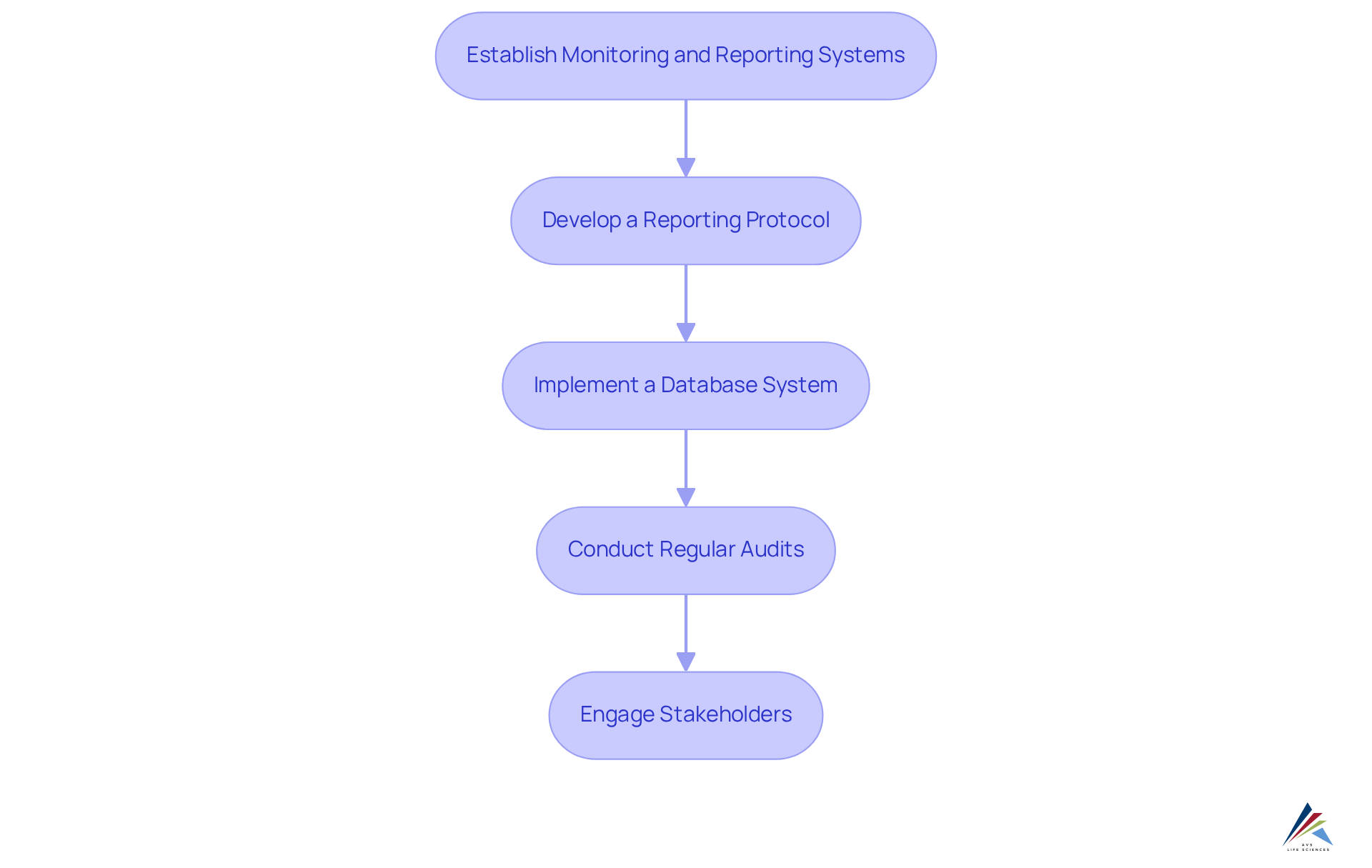
- Develop a Reporting Protocol: A clear protocol for reporting adverse events should be established, detailing responsibilities, submission methods, and timelines. This guarantees accountability and prompt reporting, which are essential for compliance.
- Implement a Database System: A robust database must be utilized to track adverse events. This system should facilitate comprehensive logging, categorization, and for analysis. Efficient database systems significantly enhance regulatory outcomes by improving tracking efficiency.
- Conduct Regular Audits: Periodic audits of the monitoring system should be scheduled to ensure adherence to regulatory requirements. Routine audits not only help identify compliance gaps but also promote continuous improvement in reporting practices. AVS Life Sciences emphasizes the importance of thorough documentation and internal auditing methods, which can greatly enhance adherence and quality management practices in life sciences.
- Engage Stakeholders: It is crucial to involve all relevant stakeholders—such as marketing, customer service, and product development teams—in the monitoring process. This collaborative approach ensures comprehensive data collection and enriches the quality of insights derived from adverse event reports. AVS Life Sciences' experience in supporting clients through transitions, such as upgrading GMP facilities, underscores the value of stakeholder engagement in achieving successful outcomes.
By adhering to these best practices, regulatory professionals can establish a robust framework for monitoring and reporting that aligns with cosmetovigilance legislation and supports effective decision-making. As Clive Humby aptly stated, "Data is the new oil," highlighting the pivotal role that data plays in driving compliance and enhancing outcomes.
Utilize Training and Resources for Compliance
Compliance officers must prioritize training and resource utilization to effectively navigate the complexities of regulatory adherence.
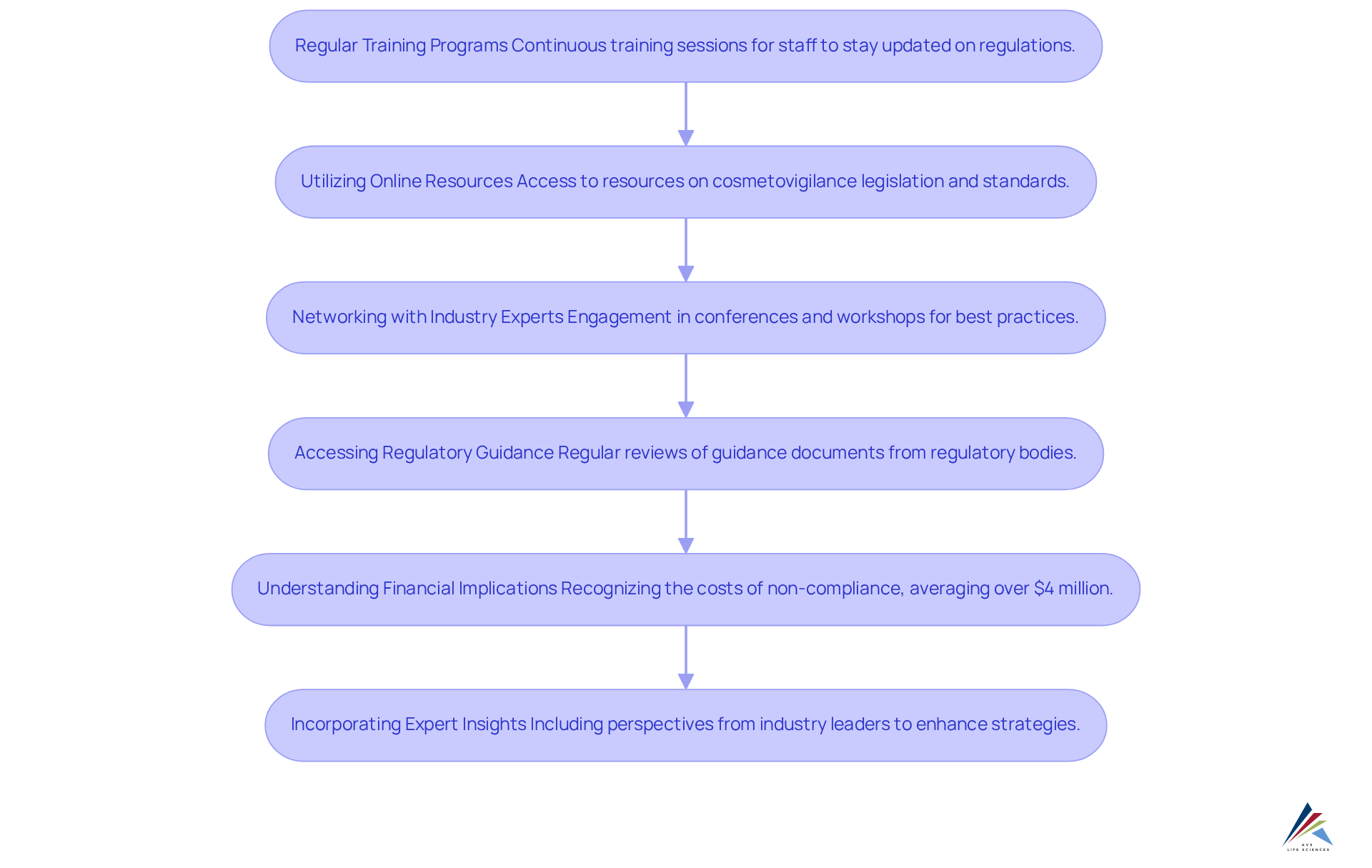
- Implementing Regular Training Programs: Continuous training sessions for all staff engaged in merchandise protection are essential. This approach ensures that personnel remain updated on the latest regulations and best practices, which is crucial for upholding standards and enhancing product safety.
- Utilizing online resources related to proves beneficial. These resources have shown their effectiveness in enhancing knowledge and skills, empowering regulatory officers to stay ahead of evolving regulations. For example, the AFSA Master Class provides comprehensive e-learning on safety assessments without animal testing, promoting innovative methodologies within the industry.
- Networking with Industry Experts: Participation in industry conferences and workshops should be encouraged. Engaging with specialists and peers fosters the exchange of best practices and insights, significantly enhancing adherence strategies. L’Oréal's commitment to educational programs exemplifies the value of collaboration in advancing non-animal testing methods.
- Accessing Regulatory Guidance: Regular reviews of guidance documents from regulatory bodies, such as the FDA and EMA, are imperative. Staying informed about changes in cosmetovigilance legislation and regulatory requirements is essential for effective risk management. Notably, starting December 29, 2024, all cosmetic items sold in the U.S. must display specific labeling details, highlighting the need for proactive adherence strategies.
- Understanding Financial Implications: It is critical to recognize that non-compliance can lead to substantial financial repercussions, with companies facing an average loss exceeding $4 million in revenue due to data protection violations. This statistic underscores the importance of effective training and resource utilization.
- Incorporating Expert Insights: Including perspectives from industry leaders, such as Gladys Ouédraogo from L’Oréal, emphasizes the significance of multidisciplinary cooperation for advancements in non-animal testing methods. Such insights enhance the authoritative tone of compliance strategies.
Conclusion
Understanding and adhering to cosmetovigilance legislation is not merely a regulatory obligation; it is a fundamental aspect of ensuring the safety and efficacy of cosmetic products available in the market. Compliance officers are pivotal in navigating these complex regulations, which demand diligent monitoring, reporting, and proactive training to uphold high standards of product safety.
This article delves into the key components of cosmetovigilance, highlighting essential regulatory requirements such as:
- Adverse event reporting
- Post-market surveillance
- Comprehensive documentation practices
It underscores the necessity for robust monitoring and reporting systems, alongside continuous training and resource utilization, to equip compliance personnel with the knowledge and tools essential for effective regulatory adherence. By concentrating on these areas, compliance officers can significantly enhance product safety and align with the evolving landscape of cosmetovigilance legislation.
Ultimately, the significance of a well-structured approach to cosmetovigilance cannot be overstated. Organizations must prioritize compliance not only to avert substantial financial penalties but also to foster consumer trust and uphold the integrity of the cosmetics industry. Engaging in ongoing education, leveraging expert insights, and actively participating in industry discussions will empower compliance officers to navigate these challenges effectively and contribute to a safer cosmetic marketplace.
Frequently Asked Questions
What is cosmetovigilance?
Cosmetovigilance is the oversight of cosmetic products to ensure their safety and efficacy after they have been released to the market.
Why is cosmetovigilance important?
It is important because it is a legal requirement under various regulations, ensuring that cosmetic products remain safe and effective for consumers.
What regulations govern cosmetovigilance?
Key regulations include the cosmetovigilance legislation, the EU Cosmetics Regulation (EC) No. 1223/2009, and the Modernization of Cosmetics Regulation Act (MoCRA) in the U.S.
What are the responsibilities of compliance personnel in cosmetovigilance?
Compliance personnel must collect and evaluate adverse effects associated with cosmetic products as mandated by the cosmetovigilance legislation.
What key terms should compliance personnel understand in cosmetovigilance?
Compliance personnel should understand key terms such as 'adverse event' and 'serious adverse event,' as these terms are essential for reporting and monitoring processes.
How can AVS Life Sciences assist with cosmetovigilance?
AVS Life Sciences provides expert quality solutions and consulting services to help compliance specialists navigate complex regulations and maintain high safety and effectiveness standards in cosmetic products.