
10 Key Benefits of Decentralized Clinical Trials for Compliance Officers

Introduction
Decentralized clinical trials are fundamentally reshaping the landscape of medical research, presenting a plethora of advantages that compliance officers must adeptly navigate. By enhancing patient access, improving retention, and enabling real-time data collection, these trials not only streamline processes but also significantly bolster data quality and operational efficiency. However, as the momentum towards decentralized methodologies accelerates, compliance professionals face the pressing question: how can they ensure that regulatory standards are met while fully embracing the innovative potential of these trials? This article delves into ten key benefits that decentralized clinical trials offer to compliance officers, illuminating both the opportunities and challenges that lie ahead.
AVS Life Sciences: Comprehensive Regulatory and Quality Solutions for Decentralized Clinical Trials
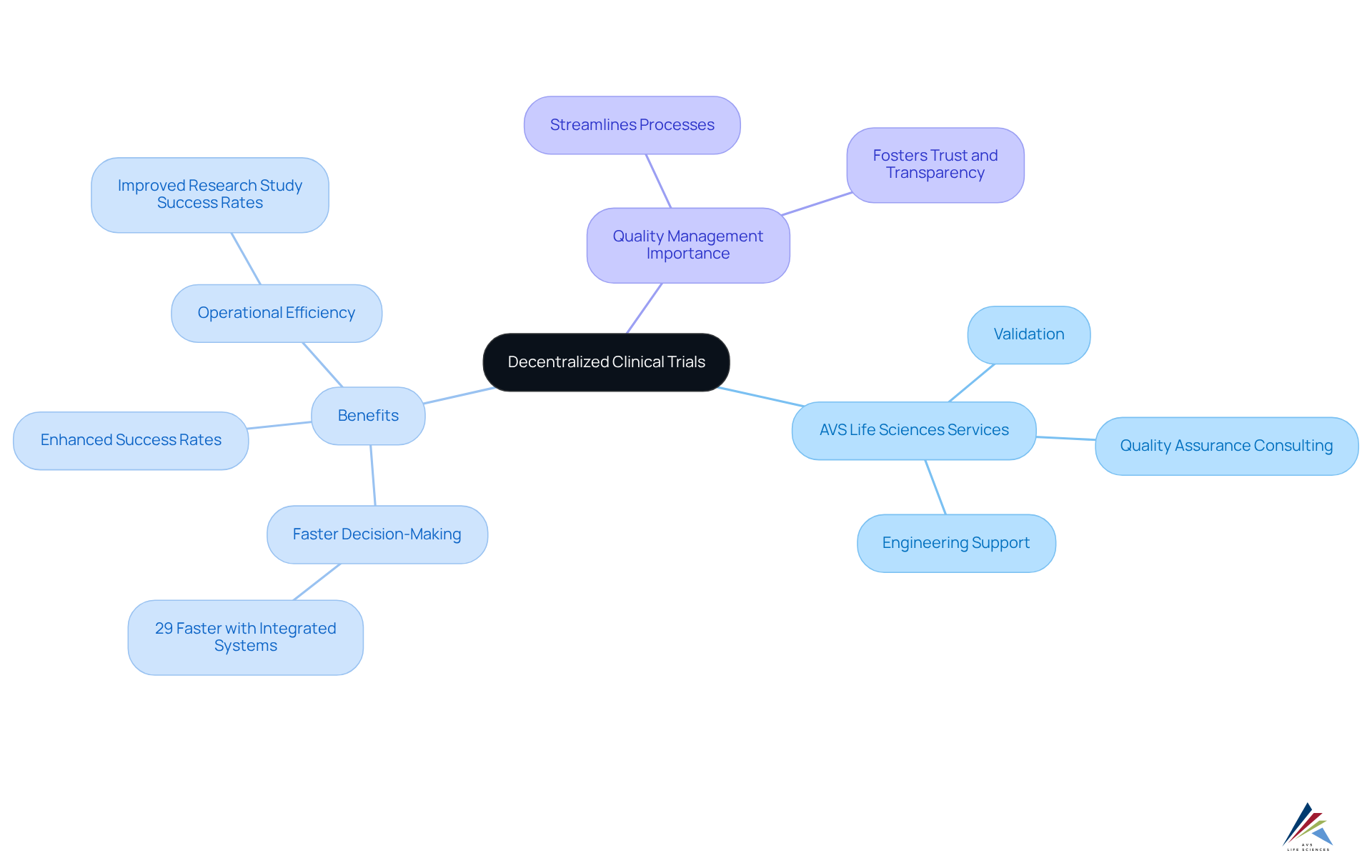
AVS Life Sciences presents a robust framework that highlights the benefits of , ensuring strict compliance with regulatory and quality standards. Their extensive services encompass , all of which are critical for maintaining high standards in a decentralized environment.
By harnessing , can conduct assessments efficiently while ensuring adherence to and other regulatory requirements. Recent advancements in underscore the importance of integrating comprehensive validation processes, which can significantly boost testing efficiency and compliance outcomes.
Organizations with fully integrated data systems, for instance, experience decision-making that is 29% faster—an essential advantage in the rapidly evolving realm of medical research. Successful case studies involving AVS Life Sciences illustrate how effective strategies contribute to enhanced research study success rates and operational efficiency.
Industry leaders emphasize the pivotal role of in , highlighting the benefits of as it not only streamlines processes but also fosters trust and transparency among stakeholders. By prioritizing , AVS Life Sciences solidifies its position as a leader in facilitating decentralized research studies, which underscores the benefits of and ultimately supports the successful delivery of innovative treatments.
Enhanced Patient Access and Engagement in Decentralized Clinical Trials
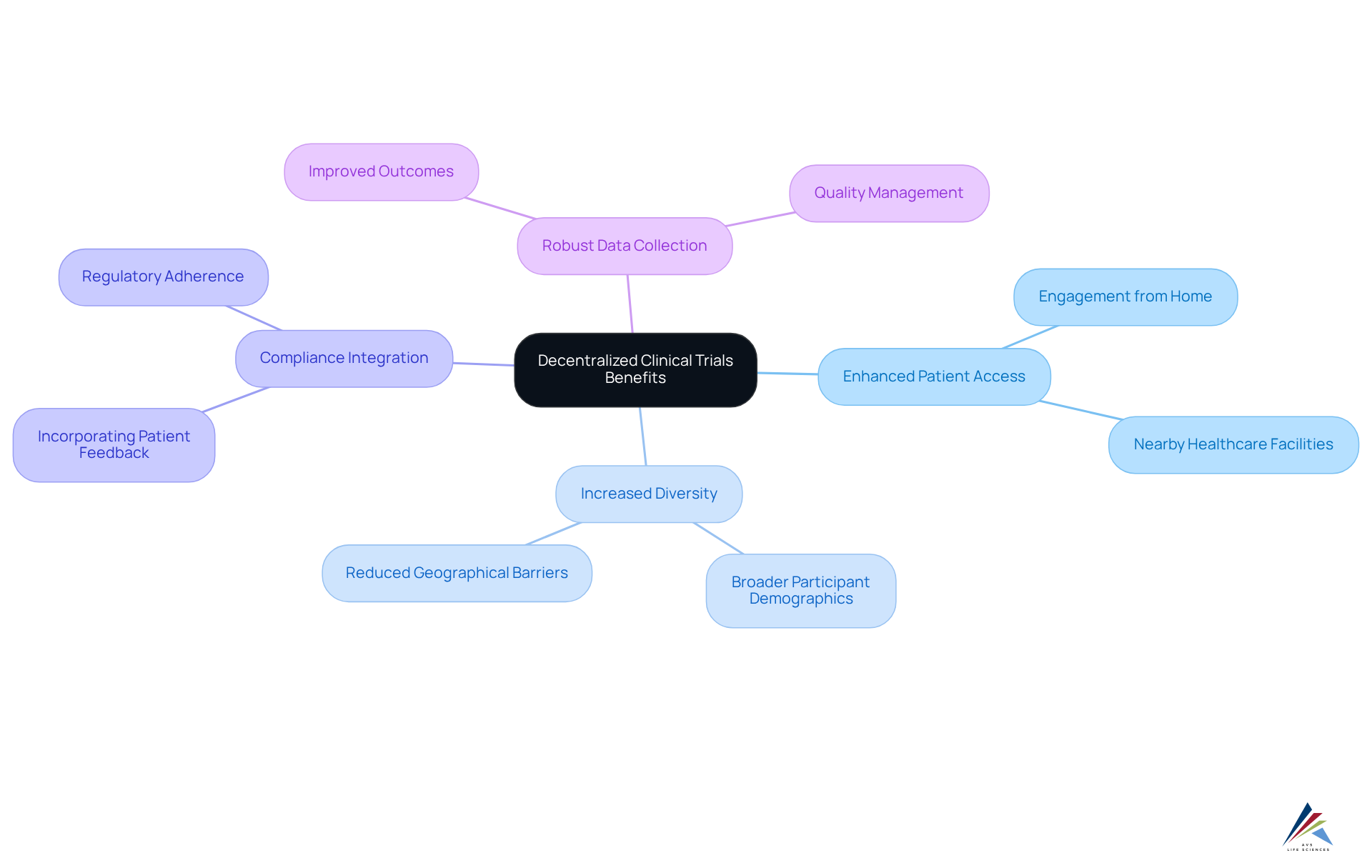
The benefits of significantly enhance patient access, enabling participants to engage from their homes or nearby healthcare facilities. This innovative model effectively diminishes geographical barriers and fosters greater diversity within study populations, showcasing the benefits of .
AVS Life Sciences is resolutely committed to and . By leveraging this enhanced engagement, can seamlessly incorporate into the study process. Ultimately, this dedication culminates in more robust data collection and improved outcomes, reinforcing the importance of .
Improved Patient Retention in Decentralized Clinical Trials
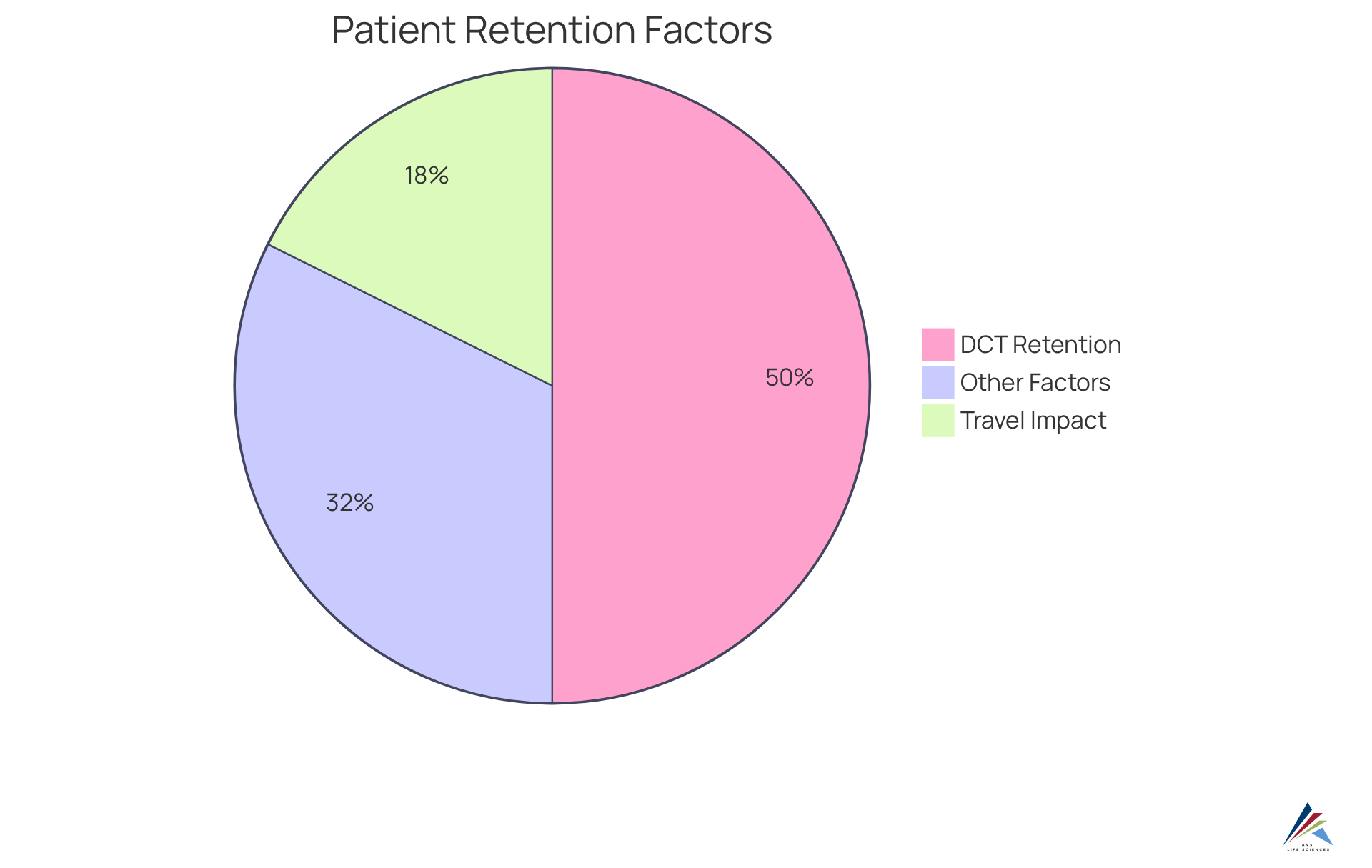
The benefits of (DCTs) significantly enhance by offering greater flexibility and convenience. By enabling patients to participate without the burden of frequent travel, DCTs address a major obstacle that often disrupts their daily lives. This reduction in travel not only alleviates participant fatigue but also fosters sustained engagement throughout the study, ultimately leading to .
Statistics reveal that can result in a 30% decrease in patient retention, underscoring the importance of convenience in study design. Compliance specialists are pivotal in this process, as they can implement . One regulatory specialist noted, 'Reducing travel challenges is crucial; it maintains participants' focus and dedication to the study.'
Furthermore, case studies indicate that studies employing have achieved retention rates exceeding 85%, showcasing the benefits of in maintaining participant engagement. However, it is essential to acknowledge potential challenges, such as the risk of excluding digitally illiterate participants and the necessity for adequate training and support for evaluating DCTs.
By embracing these innovative methods while addressing challenges, can ensure that studies not only meet legal requirements but also prioritize the needs of participants, resulting in .
Real-Time Data Collection and Analysis in Decentralized Clinical Trials
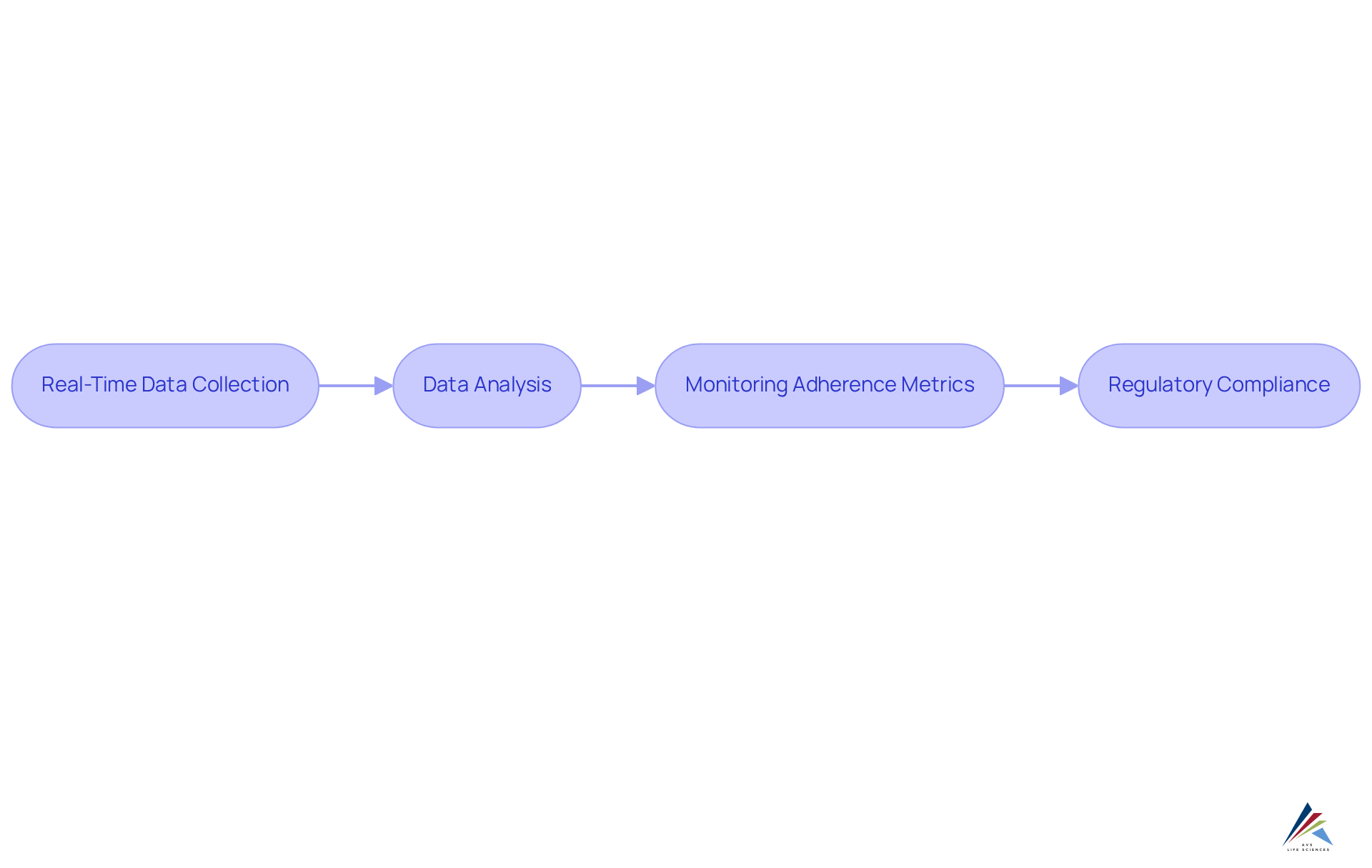
Decentralized clinical studies demonstrate the benefits of decentralized clinical trials by leveraging advanced technologies for real-time data gathering, which facilitates prompt analysis and decision-making. This capability empowers oversight officers to continuously track adherence metrics, ensuring that any deviations from the protocol are swiftly addressed. By and FDA regulations, that the integration of digital tools not only enhances the overall efficiency of the research process but also upholds stringent . This unwavering commitment to is essential for effective supervision of service providers within the life sciences sector.
Cost-Effectiveness and Operational Efficiency of Decentralized Clinical Trials
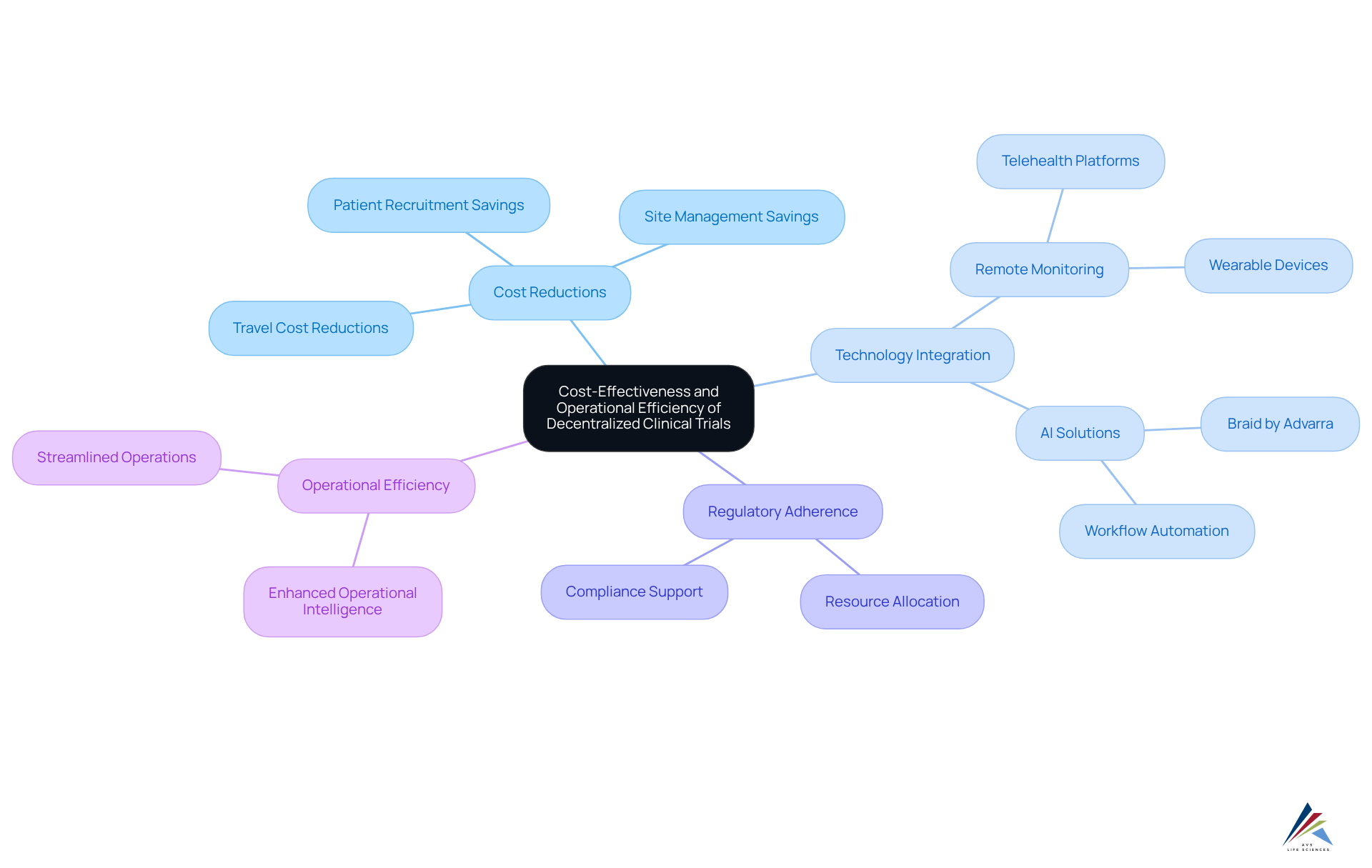
The benefits of include significant reductions in expenses related to patient recruitment, site management, and travel costs. By and leveraging remote monitoring technologies—such as telehealth platforms and wearable devices—organizations can achieve .
AVS Life Sciences harnesses to bolster and within these studies. A prime example is the recent launch of Braid, an by Advarra, which demonstrates how advanced technology can automate workflows and elevate operational intelligence in research studies.
This innovation not only curtails expenses but also empowers to allocate resources more effectively, ensuring that adherence remains a paramount concern without compromising the study's budget. By integrating s, AVS Life Sciences supports in maintaining rigorous standards of while refining their research methodologies.
Increased Data Quality and Accuracy in Decentralized Clinical Trials
Decentralized medical studies significantly enhance and precision through standardized digital tools for data gathering. These tools minimize human error, ensuring consistent data capture across all participants.
For instance, the adoption of telemedicine in Phase III studies has surged from 2.7% in 2019 to 5.9% in 2021, reflecting a broader trend towards . A 2021 survey revealed that:
- 94% of research sites had embraced at least one decentralized methodology.
- 88% conducted that blend remote technology with in-person visits.
This transformation not only streamlines data collection but also strengthens the reliability of the information gathered, showcasing the for compliance officers in supporting and adhering to industry standards.
The (DCT) market, valued at approximately $6.11 billion in 2020, is projected to reach $16.29 billion by 2027, highlighting the benefits of decentralized and the increasing reliance on decentralized strategies in medical research.
Furthermore, around 1,300 drug research studies featuring a virtual or decentralized component were anticipated to commence in 2022, showcasing the benefits of decentralized and marking a significant shift towards these innovative methodologies.
The accuracy rates of these digital tools have proven exceptional, further underscoring their role in minimizing discrepancies and enhancing overall . have noted that utilizing these tools is vital for , ensuring that the gathered data meets the highest quality standards.

Faster Recruitment and Study Timelines in Decentralized Clinical Trials
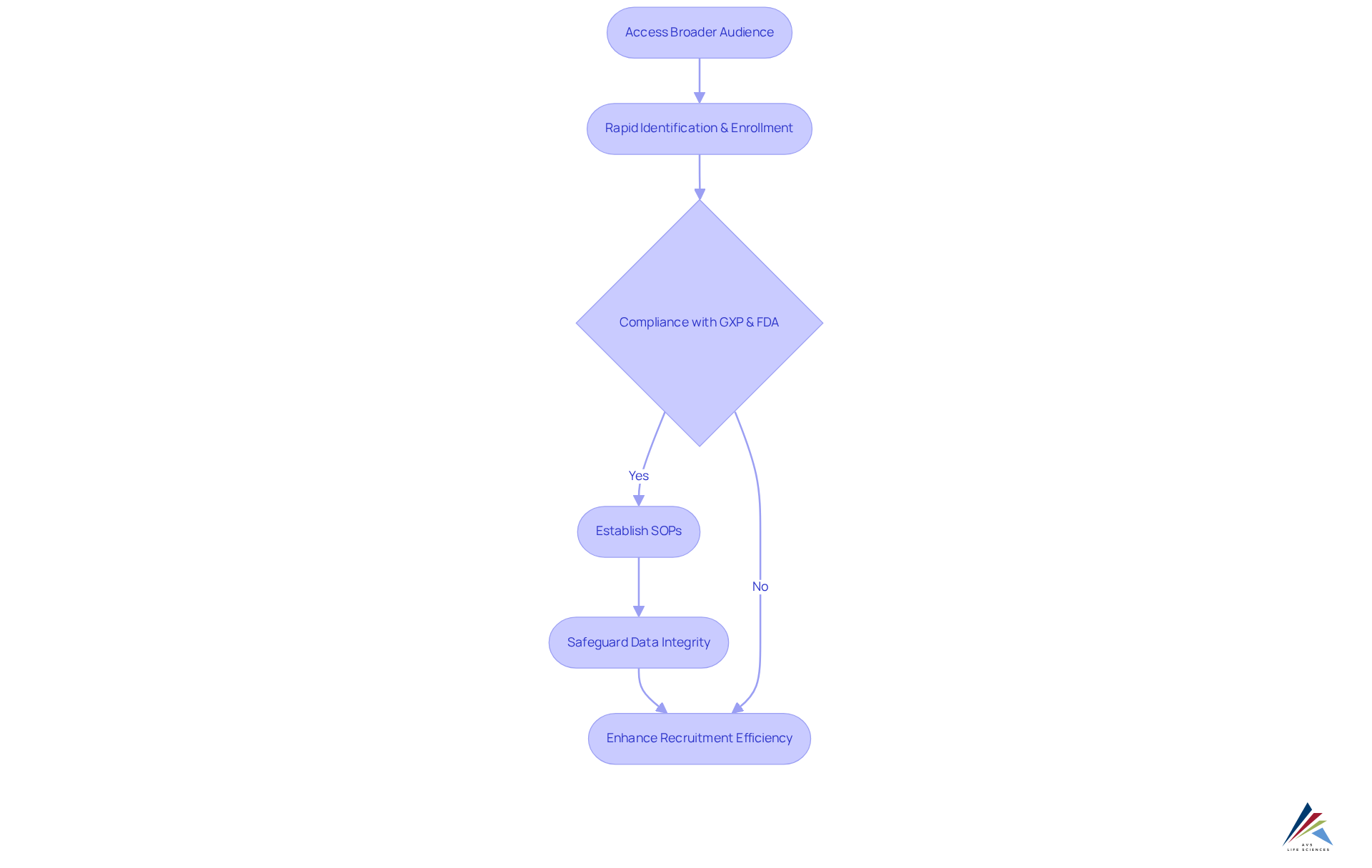
Decentralized medical studies demonstrate the benefits of by enhancing through digital platforms that access a broader audience. This innovative approach facilitates the rapid identification and enrollment of eligible participants, showcasing the benefits of in adhering to study timelines.
Compliance officers stand to benefit from these efficiencies, ensuring that evaluations progress as scheduled and remain within , particularly by conforming to and FDA regulations. By establishing robust and safeguarding , compliance measures directly enhance , thereby ensuring effective oversight of service providers.
This structured approach not only streamlines processes but also reinforces the in the success of decentralized studies.
Adaptability of Decentralized Clinical Trials to External Factors and Disasters
The benefits of provide remarkable , such as natural disasters and . By facilitating remote participation, these studies ensure continuity without significant interruptions. This adaptability is vital for , who can utilize it to ensure that the benefits of are achieved while examinations remain compliant and operational even in adverse conditions.
For instance, during the COVID-19 pandemic, numerous studies successfully transitioned to remote formats, allowing them to continue despite widespread disruptions. This transition not only preserved the integrity of the studies but also enhanced by reducing geographical barriers.
recognize that such flexibility is essential for effectively managing assessments during emergencies, as it allows for rapid adjustments to protocols while maintaining adherence to regulatory standards.
AVS Life Sciences provides comprehensive quality management and that support in navigating the complexities of decentralized studies. The ability to swiftly adapt to external influences underscores the benefits of in the context of today’s dynamic research landscape.

Ethical Considerations and Compliance in Decentralized Clinical Trials
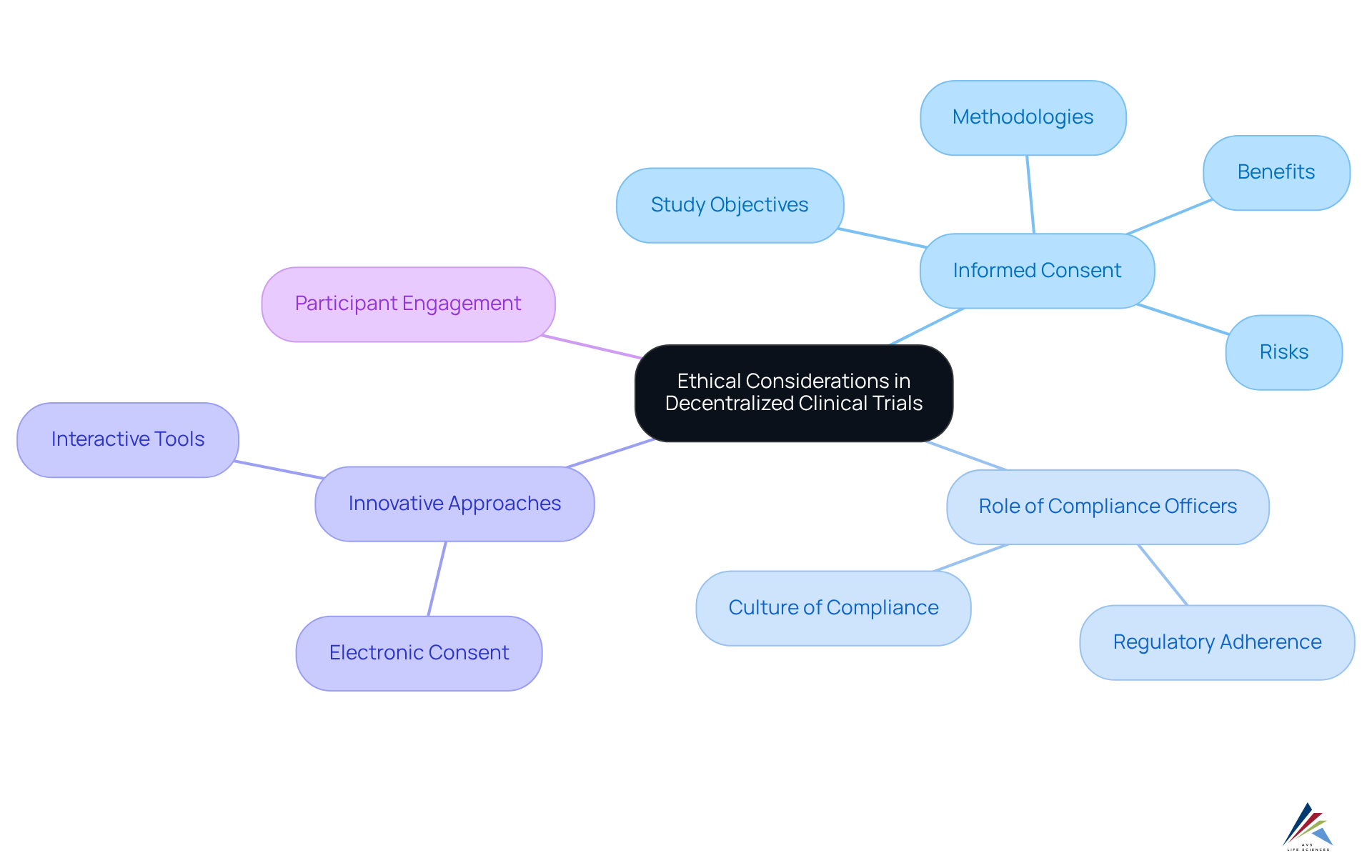
Decentralized clinical studies (DCTs) operate within a framework of stringent that safeguard participant rights and ensure informed consent. Compliance officers play a , charged with the responsibility of overseeing adherence to regulatory mandates and ethical benchmarks. Their involvement is essential in cultivating a culture of ethical compliance, which not only enhances trust but also promotes transparency throughout the study process.
requires that participants receive thorough information regarding the study's objectives, methodologies, risks, and potential benefits, empowering them to make informed decisions. This aspect is particularly crucial in remote studies, where participants may engage from the comfort of their homes through .
Recent dialogues among regulatory officers underscore the urgent need for innovative approaches to informed consent, highlighting the importance of accessibility and active participant engagement. For example, the adoption of can simplify the process, rendering it more user-friendly while upholding the integrity of the information shared.
Effective informed consent practices in remote studies often involve between participants and research staff, ensuring clarity and understanding. Such methodologies not only adhere to but also empower participants, reinforcing their autonomy and active involvement in the research process.
By prioritizing informed consent and , organizations can adeptly navigate the complexities inherent in decentralized studies, highlighting the benefits of while steadfastly protecting the rights and well-being of participants.
Transformative Impact of Decentralized Clinical Trials on Future Research
(DCTs) are set to revolutionize the future of by demonstrating the benefits of , . As these models gain traction, their strategies to effectively navigate the evolving . The transition to not only streamlines processes but also .
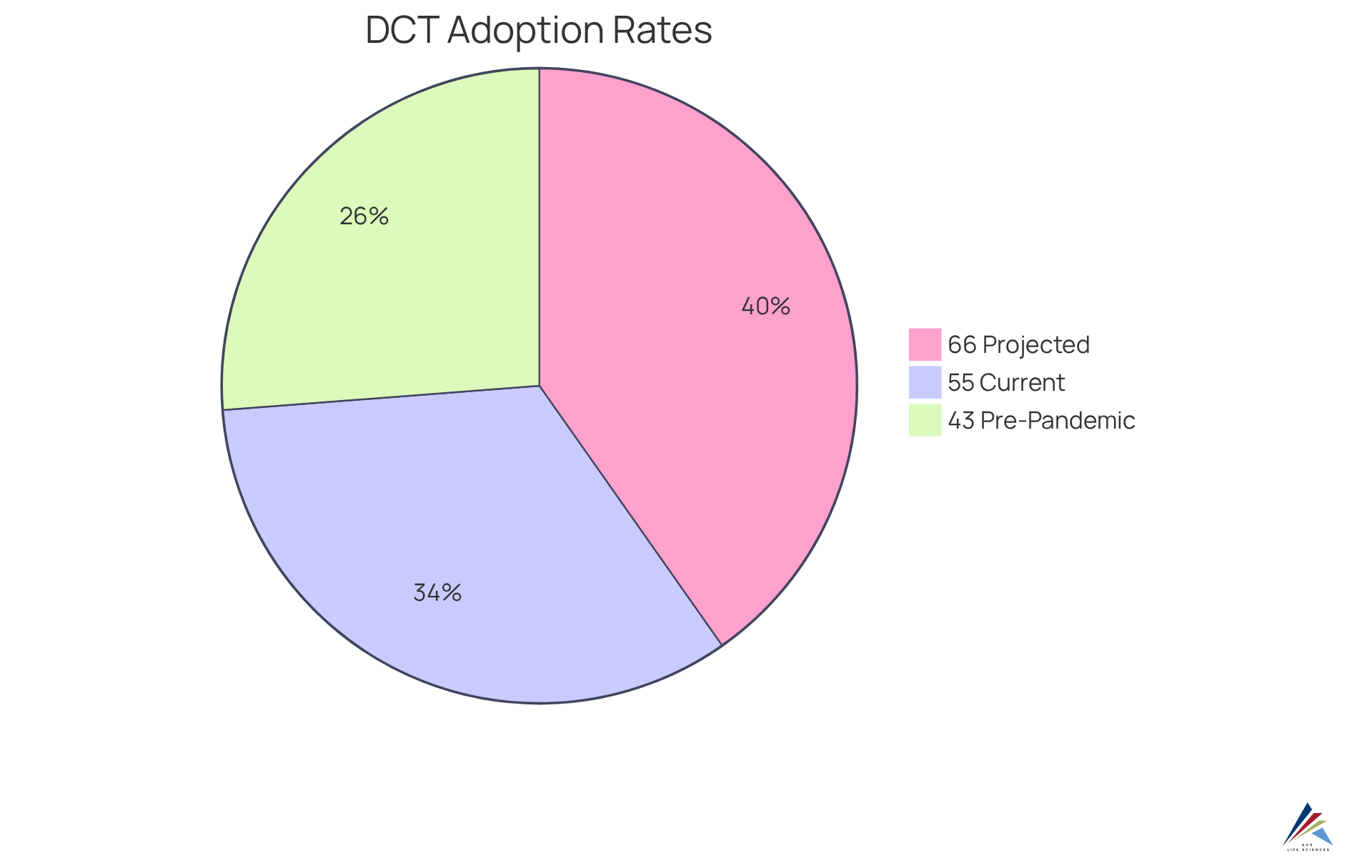
Notably, the average number of studies utilizing decentralized technologies has escalated from 43% pre-pandemic to 55% currently, with projections suggesting an increase to 66% within the next five years. This trend underscores the growing recognition of DCTs as a vital component of research portfolios, with 100% of biopharmaceuticals and contract research organizations (CROs) anticipating their significance by the end of 2020.
Furthermore, the benefits of include an by 10-25%, primarily through fewer locations, lower investigator fees, and decreased patient travel expenses, making them an attractive option for organizations aiming to optimize resources while ensuring compliance.
Industry leaders assert that the benefits of show they are not merely a passing trend but a and inclusivity. As the landscape continues to transform, the capacity to adapt and leverage these innovative approaches will be essential for compliance officers dedicated to ensuring regulatory adherence and advancing research excellence.
Conclusion
Decentralized clinical trials (DCTs) signify a transformative shift in the clinical research landscape, presenting numerous advantages that enhance patient engagement, streamline processes, and ensure adherence to regulatory standards. By adopting this innovative approach, compliance officers can markedly elevate the efficiency and effectiveness of clinical studies, ultimately resulting in improved patient outcomes and expedited delivery of new treatments.
This article has highlighted the key benefits of decentralized trials, such as:
- Enhanced patient access
- Improved retention rates
- Real-time data collection
- Cost-effectiveness
- Adaptability to external challenges
Each of these elements contributes to a more robust and inclusive research environment, where compliance professionals are essential in navigating the complexities of regulatory adherence and ethical considerations.
As the reliance on decentralized clinical trials continues to expand, it is imperative for organizations to adjust their strategies to fully leverage these methodologies. By prioritizing quality management and regulatory compliance, stakeholders can ensure the successful implementation of DCTs, paving the way for a future where clinical research is more efficient, accessible, and aligned with the diverse needs of patient populations. Embracing these changes not only enhances research outcomes but also reinforces the commitment to ethical standards and participant welfare, marking a significant advancement in the field of clinical research.
Frequently Asked Questions
What are the main benefits of decentralized clinical trials (DCTs) according to AVS Life Sciences?
Decentralized clinical trials enhance patient access by allowing participants to engage from their homes or nearby healthcare facilities, diminish geographical barriers, foster greater diversity within study populations, and improve patient retention rates by offering flexibility and convenience.
How does AVS Life Sciences ensure compliance in decentralized clinical trials?
AVS Life Sciences ensures compliance by providing a robust framework that includes validation, quality assurance consulting, and engineering support, which are critical for maintaining high standards and adherence to Good Manufacturing Practices (GMP) and other regulatory requirements.
What impact do integrated data systems have on decision-making in clinical research?
Organizations with fully integrated data systems experience decision-making that is 29% faster, which is a significant advantage in the rapidly evolving realm of medical research.
How do decentralized clinical trials improve patient retention?
Decentralized clinical trials improve patient retention by reducing travel burdens, which can lead to a 30% decrease in retention rates. By enabling patients to participate without frequent travel, DCTs maintain participant engagement and lead to higher quality data collection.
What role do compliance specialists play in decentralized clinical trials?
Compliance specialists implement strategies that prioritize participant comfort and accessibility, ensuring that studies meet legal requirements while addressing the needs of participants to achieve successful outcomes.
What challenges might arise with decentralized clinical trials?
Potential challenges include the risk of excluding digitally illiterate participants and the necessity for adequate training and support for evaluating decentralized clinical trials.
What are the outcomes of studies employing remote monitoring and telehealth options in decentralized clinical trials?
Studies that employ remote monitoring and telehealth options have achieved retention rates exceeding 85%, demonstrating the effectiveness of decentralized clinical trials in maintaining participant engagement.
List of Sources
- AVS Life Sciences: Comprehensive Regulatory and Quality Solutions for Decentralized Clinical Trials
- avslifesciences.com (https://avslifesciences.com/blog-post/10-essential-clinical-trial-management-software-solutions)
- Improved Patient Retention in Decentralized Clinical Trials
- Opportunities and Challenges for Decentralized Clinical Trials: European Regulators’ Perspective - PMC (https://pmc.ncbi.nlm.nih.gov/articles/PMC9540149)
- Cost-Effectiveness and Operational Efficiency of Decentralized Clinical Trials
- prnewswire.com (https://prnewswire.com/news-releases/advarra-launches-ai--and-data-backed-study-design-solution-to-improve-operational-efficiency-in-clinical-trials-302557076.html)
- Increased Data Quality and Accuracy in Decentralized Clinical Trials
- Decentralized Clinical Trials - Key Trends and Statistics | Medidata Solutions (https://medidata.com/en/decentralized-clinical-trials-key-trends-and-statistics)
- Adaptability of Decentralized Clinical Trials to External Factors and Disasters
- science.org (https://science.org/doi/10.1126/science.adq4994)
- healio.com (https://healio.com/news/hematology-oncology/20250725/decentralized-clinical-trials-data-quality-strong-but-adoption-remains-slow-at-best)
- clinicaltrialsarena.com (https://clinicaltrialsarena.com/features/disaster-preparedness-clinical-trials)
- icmra.info (https://icmra.info/drupal/en/news/reflection_paper_platform_clinical_trials)
- Ethical Considerations and Compliance in Decentralized Clinical Trials
- sciencedirect.com (https://sciencedirect.com/science/article/pii/S1551714416300854)
- science.org (https://science.org/doi/10.1126/science.adq4994)
- The importance of ethical considerations in research and clinical trials | Penn LPS Online (https://lpsonline.sas.upenn.edu/features/importance-ethical-considerations-research-and-clinical-trials)
- hhs.gov (https://hhs.gov/ohrp/sachrp-committee/recommendations/attachment-c-november-13-2018)
- advarra.com (https://advarra.com/resources/ethical-issues-in-dcts-white-paper)
- Transformative Impact of Decentralized Clinical Trials on Future Research
- One moment, please... (https://digitaldefynd.com/IQ/inspirational-digital-transformation-quotes)
- 60 Game-Changing Quotes on Digital Transformation (https://deliberatedirections.com/digital-transformation-quotes)
- Decentralized Clinical Trials - Key Trends and Statistics | Medidata Solutions (https://medidata.com/en/decentralized-clinical-trials-key-trends-and-statistics)
- mitsloan.mit.edu (https://mitsloan.mit.edu/ideas-made-to-matter/14-quotes-and-stats-leaders-digital-economy)
- 20 Quotes on Digital Transformation for C-Suite (https://cgsinc.com/blog/19-Quotes-Digital-Transformation-C-Suite-Executives)