
Best Practices for Pharmaceutical Audits: Enhance Compliance and Efficiency

Overview
Best practices for pharmaceutical audits are essential for enhancing compliance and operational efficiency through systematic evaluations of processes and documentation. Organizations face significant compliance challenges; however, implementing detailed review plans, engaging trained auditors, utilizing advanced technology, and maintaining comprehensive documentation are critical strategies to ensure adherence to regulatory standards. These practices not only improve overall quality in the pharmaceutical sector but also foster a culture of compliance that can lead to successful project outcomes. By adopting these strategies, organizations can position themselves to navigate the complexities of regulatory requirements effectively.
Introduction
In the intricate world of pharmaceuticals, where compliance and quality assurance are paramount, the role of systematic audits cannot be overstated. These evaluations serve as a crucial mechanism for ensuring that companies adhere to regulatory standards, such as Good Manufacturing Practices (GMP) and ISO regulations, ultimately safeguarding patient safety and product efficacy.
As the industry evolves, the integration of advanced technologies like AI and predictive analytics into auditing processes is becoming increasingly vital. This integration enables organizations to identify risks and enhance compliance efforts effectively.
Real-world examples demonstrate the tangible benefits of rigorous auditing practices; it is clear that a proactive approach not only mitigates potential violations but also fosters a culture of continuous improvement within the pharmaceutical landscape.
As the stakes rise, understanding the nuances of pharmaceutical audits and implementing best practices is essential for organizations striving to maintain high standards in an ever-changing regulatory environment.
Define Pharmaceutical Audits and Their Importance
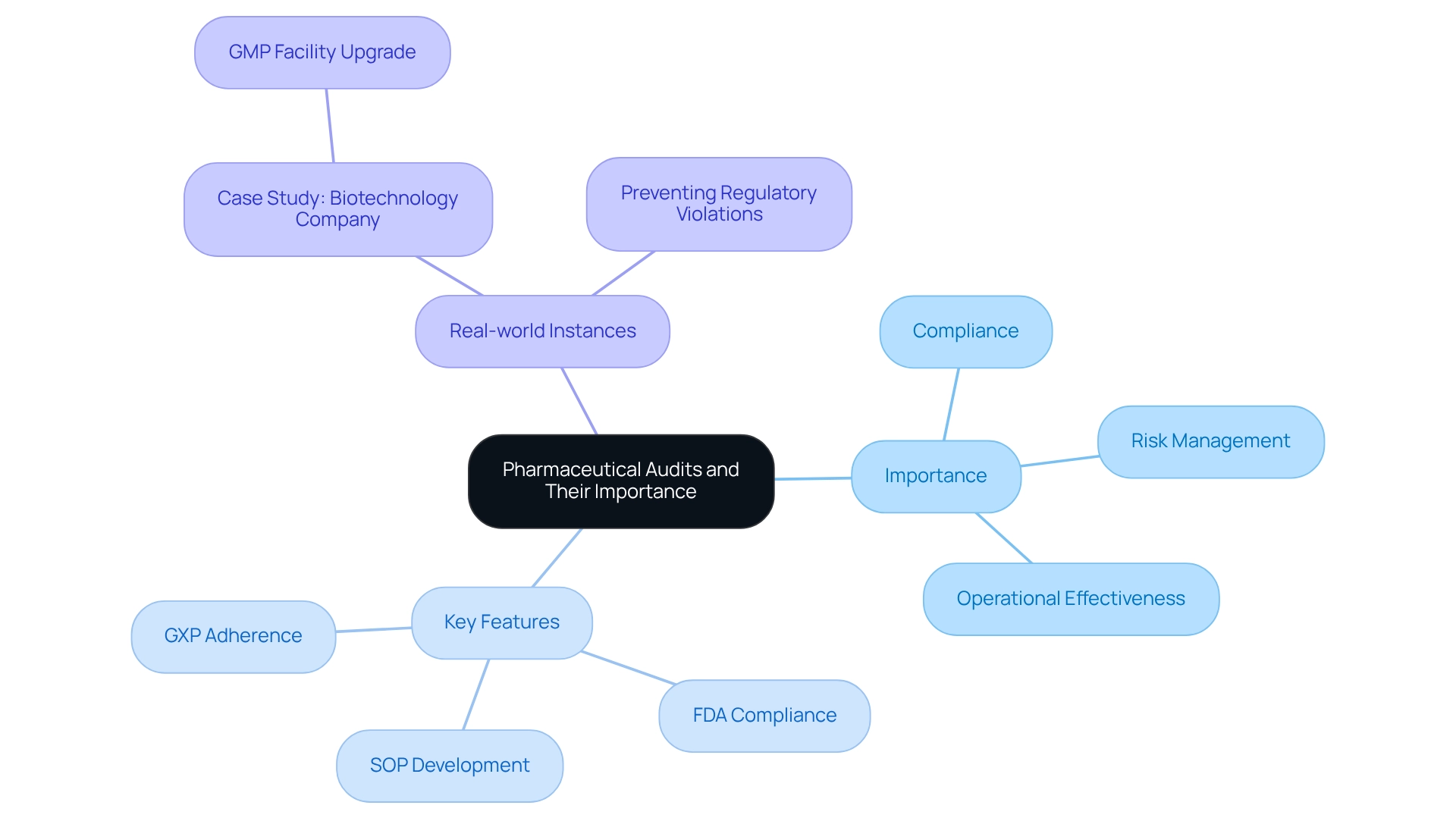
Pharmaceutical assessments are systematic evaluations of a firm's processes, systems, and documentation that incorporate best practices for pharmaceutical audits to ensure adherence to regulatory standards, including Good Manufacturing Practices (GMP), ISO standards, and Quality System Regulations (QSR). These audits play a vital role in identifying non-compliance areas, mitigating risks, and confirming that products meet safety and efficacy standards. Their importance is underscored by the fact that organizations adopting trends such as AI-driven regulatory solutions and predictive analytics can enhance their adherence efforts, improve risk management, and achieve faster time-to-market. Notably, AVS Life Sciences, a prominent provider of quality management and regulatory adherence solutions for the life sciences sector, has attained an impressive 80% repeat business rate, indicating the success of their regulatory strategies.
Frequent evaluations serve as a proactive approach to avert regulatory breaches, improve operational effectiveness, and maintain the integrity of the pharmaceutical supply chain. By fostering a culture of ongoing enhancement and accountability, companies can not only ensure adherence but also improve patient outcomes and build trust in their products. In 2025, the significance of these evaluations is more evident than ever, as they directly influence adherence rates and operational efficiency. For instance, AVS Life Sciences successfully assisted a biotechnology company in upgrading their GMP facility, illustrating how effective auditing practices can lead to substantial improvements in quality assurance and regulatory compliance.
Key features of effective pharmaceutical audits include:
- Adherence to GXP guidelines, ensuring that all processes meet Good Laboratory Practices (GLP), Good Clinical Practices (GCP), and Good Manufacturing Practices (GMP).
- Compliance with FDA regulations, which are critical for maintaining product safety and efficacy.
- Development and execution of Standard Operating Procedures (SOPs) that guide evaluation processes and ensure consistency.
Real-world instances further illustrate how effective evaluations have prevented regulatory violations, reinforcing their essential role in adherence and risk reduction. One such example involves a pharmaceutical company that, through rigorous auditing practices, identified and rectified a potential compliance issue before it escalated into a regulatory breach. Ultimately, the incorporation of excellence evaluations into organizational practices is crucial for maintaining and sustaining high standards in the pharmaceutical sector. However, companies must also be aware of common pitfalls, such as inadequate training or lack of follow-through on audit findings, which can undermine the effectiveness of their audit processes. As Charles Eames aptly stated, "Eventually everything connects – people, ideas, objects. The standard of the connections is the key to excellence itself." This interconnectedness is vital in the domain of regulation and quality assurance.
Explore Different Types of Pharmaceutical Audits
Pharmaceutical evaluations can be categorized into several types, each serving a unique purpose:
- Internal Reviews: Conducted by a company's own personnel, these evaluations assess adherence to internal policies and regulatory standards, aiding in the identification of potential issues prior to external examinations.
- External Evaluations: Carried out by independent entities or regulatory agencies, these assessments review adherence to industry standards and regulations, frequently resulting in substantial repercussions if non-conformity is detected.
- Supplier Evaluations: These assessments concentrate on reviewing the adherence and excellence systems of suppliers, guaranteeing they fulfill required criteria for delivering materials or services, which is vital for preserving supply chain standards.
- GMP Evaluations: Specifically crafted to evaluate adherence to Good Manufacturing Practices, GMP evaluations ensure that products are consistently produced and regulated according to set performance standards, protecting product integrity and patient safety.
- Quality System Audits: These audits assess the effectiveness of a company's quality management system, ensuring it meets regulatory requirements and adheres to the best practices for pharmaceutical audits, assisting organizations in identifying areas for enhancement.
Understanding these types of audits allows organizations to implement focused strategies that improve adherence and operational efficiency. A transformative case study involving AVS Life Sciences illustrates their expertise in assisting a leading biotechnology company in upgrading their manufacturing space from a Biosafety Level 1 GMP facility to a Level 2 GMP facility. This project faced challenges, such as identifying anomalies in test results due to improperly installed barcode scanner cameras. AVS's comprehensive inquiry and record-keeping initiatives not only guaranteed adherence but also captured significant lessons learned, prompting the client’s QC laboratory team to assess their methods. This partnership enabled the client to concentrate on creating medicines while AVS ensured that all regulatory measures were fulfilled during the transition process. The extent of compliance problems in the pharmaceutical sector highlights the necessity of thorough evaluations and best practices for pharmaceutical audits, as pointed out by the notable increase in issued by CDER.

Implement Best Practices for Effective Auditing
To conduct effective pharmaceutical audits, organizations must implement the that ensure compliance and operational efficiency.
- Create a Detailed Review Plan: Clearly outline the review's scope, objectives, and timeline. This plan should encompass a review of prior examination results and highlight areas of concern to ensure thoroughness. For instance, understanding the phases of process validation—Process Design, Process Qualification, and Continued Process Verification—can guide the evaluation planning procedure, ensuring that excellence is integrated into the product lifecycle.
- Engage Trained Auditors: Employ auditors with a profound understanding of regulatory requirements and substantial experience in the pharmaceutical sector. Their expertise is crucial for enhancing the review's effectiveness and ensuring compliance with Good Manufacturing Practices (GMP) and Quality System Regulations (QSR). AVS Life Sciences provides expert standard solutions that guarantee adherence to these critical benchmarks.
- Utilize Technology: Leverage management software to streamline processes, enhance documentation, and enable real-time data analysis. The incorporation of technology significantly boosts examination efficiency and precision, aligning with best practices in regulatory adherence and quality management.
- Conduct Practice Evaluations: Regularly carry out practice evaluations to prepare for actual assessments. This proactive strategy aids in identifying regulatory gaps and facilitates corrective measures prior to the formal review, thus minimizing the risk of issues. AVS Life Sciences underscores the significance of comprehensive preparation in achieving successful evaluation results.
- Encourage a Culture of Adherence: Foster open dialogue regarding regulations and assessment results within the organization. Establishing a culture of accountability and continuous improvement is essential for maintaining high standards of quality and compliance, which are central to AVS Life Sciences' mission.
- Avoid Common Pitfalls: Be cognizant of frequent traps in examination practices, such as inadequate preparation or neglecting to address prior findings. Addressing these concerns can greatly enhance the efficiency of the evaluation.
As Terri Bernacchi states, 'The Pharmacy Audit is a vital element of guaranteeing adherence and quality in pharmaceutical practices.' By adopting the best practices for pharmaceutical audits, organizations can refine their review processes, resulting in improved compliance and operational efficiency. Efficient examination methods not only enhance organizational performance but also elevate customer satisfaction, highlighting the importance of a robust evaluation framework in the pharmaceutical sector. Notably, AVS Life Sciences has achieved an 80% repeat business rate, demonstrating the effectiveness of implementing best practices in auditing.

Maintain Comprehensive Documentation for Audit Readiness
Maintaining comprehensive documentation is crucial for audit readiness in the pharmaceutical industry. Organizations must prioritize the following key aspects:
- Standard Operating Procedures (SOPs): Ensure that all SOPs are up-to-date, clearly articulated, and readily accessible to relevant personnel. Frequent evaluations and revisions are crucial to represent any alterations in procedures or regulatory requirements.
- Training Records: Keep detailed records of employee training associated with regulations and standards of excellence. This documentation serves as evidence that staff are adequately prepared to fulfill their roles effectively.
- Batch Records: Maintain accurate batch records that outline the manufacturing procedure, including raw material usage, equipment calibration, and quality control measures. Precise batch records are essential for traceability and adherence to regulations.
- Tracking Records: Implement robust systems that provide clear tracking records for all critical processes. This openness is crucial for showcasing adherence during evaluations and guaranteeing responsibility.
- Regular Reviews: Conduct periodic reviews of documentation to verify accuracy and completeness. This proactive approach helps identify potential issues early, preventing them from escalating into significant problems.
As Deming stated, "The aim of leadership should be to improve the performance of man and machine, to improve quality, to increase output, and simultaneously to bring pride of workmanship to people." By emphasizing comprehensive documentation practices, organizations can significantly enhance their audit readiness in accordance with the best practices for pharmaceutical audits, leading to a more efficient and effective audit process.
illustrates the significance of sustaining thorough documentation through its recent project, where it effectively assisted a pharmaceutical manufacturer in enhancing their facility from Biosafety Level 1 to for lentivirus production. This project involved two main phases: modifying the existing facility and installing, commissioning, and qualifying new equipment. This partnership not only guaranteed adherence to regulations but also enabled the client to concentrate on creating treatments that enhance patient well-being.
Moreover, the recent purchase of ValidPath by AVS Life Sciences enhances its capabilities in engineering standards, underscoring the best practices for pharmaceutical audits and the importance of maintaining thorough documentation for regulatory adherence. This strategic move illustrates how organizations can bolster their documentation practices to meet regulatory standards effectively.
By integrating these practices, organizations can not only improve their compliance but also foster a culture of quality and accountability.

Conclusion
The significance of systematic pharmaceutical audits cannot be overstated; they are a cornerstone for ensuring compliance with regulatory standards and maintaining product integrity. Regular evaluations enable organizations to identify areas of non-compliance, mitigate risks, and enhance operational efficiency. The integration of advanced technologies, such as AI and predictive analytics, further strengthens these auditing processes, facilitating more effective risk management and accelerating time-to-market.
Understanding the various types of audits—internal, external, supplier, GMP, and quality system audits—empowers organizations to implement tailored strategies that enhance compliance and operational efficiency. Real-world case studies illustrate the tangible benefits of rigorous auditing practices, showcasing how proactive measures can prevent regulatory violations and foster a culture of continuous improvement within the pharmaceutical landscape.
Implementing best practices for effective auditing is essential for organizations striving to maintain high standards. Developing comprehensive audit plans, engaging trained auditors, utilizing technology, conducting mock audits, and fostering a culture of compliance are crucial steps that can lead to improved audit outcomes and operational performance. Furthermore, maintaining comprehensive documentation ensures audit readiness and reinforces accountability, ultimately contributing to better patient outcomes.
In an industry where the stakes are incredibly high, prioritizing systematic audits and adhering to best practices is not just advantageous; it is imperative for safeguarding patient safety and achieving operational excellence. As the pharmaceutical sector continues to evolve, a commitment to rigorous auditing practices will be key in navigating the complexities of compliance and quality assurance, paving the way for a more reliable and trustworthy healthcare system.
Frequently Asked Questions
What are pharmaceutical assessments?
Pharmaceutical assessments are systematic evaluations of a firm's processes, systems, and documentation that ensure adherence to regulatory standards, including Good Manufacturing Practices (GMP), ISO standards, and Quality System Regulations (QSR).
Why are pharmaceutical audits important?
Pharmaceutical audits are vital for identifying non-compliance areas, mitigating risks, and confirming that products meet safety and efficacy standards. They help avert regulatory breaches, improve operational effectiveness, and maintain the integrity of the pharmaceutical supply chain.
How can organizations enhance their adherence efforts during audits?
Organizations can enhance their adherence efforts by adopting trends such as AI-driven regulatory solutions and predictive analytics, which improve risk management and achieve faster time-to-market.
What is the significance of frequent evaluations in the pharmaceutical industry?
Frequent evaluations serve as a proactive approach to prevent regulatory breaches, improve operational effectiveness, and maintain product integrity. They also foster a culture of ongoing enhancement and accountability, ultimately improving patient outcomes and building trust in products.
What are some key features of effective pharmaceutical audits?
Key features include adherence to GXP guidelines (Good Laboratory Practices, Good Clinical Practices, and Good Manufacturing Practices), compliance with FDA regulations, and the development and execution of Standard Operating Procedures (SOPs) that ensure consistency in evaluation processes.
Can you provide an example of the impact of effective pharmaceutical audits?
One example involves a pharmaceutical company that identified and rectified a potential compliance issue through rigorous auditing practices before it escalated into a regulatory breach, demonstrating the essential role of audits in adherence and risk reduction.
What common pitfalls should companies be aware of regarding audit processes?
Common pitfalls include inadequate training and lack of follow-through on audit findings, which can undermine the effectiveness of audit processes.
How does AVS Life Sciences exemplify successful regulatory strategies?
AVS Life Sciences has achieved an impressive 80% repeat business rate, indicating the success of their regulatory strategies in providing quality management and regulatory adherence solutions for the life sciences sector.