
Master RCRA Certification: Essential Steps for Compliance Officers

Introduction
Navigating the complexities of the Resource Conservation and Recovery Act (RCRA) is crucial for compliance officers charged with ensuring safe and responsible waste management. This guide explores essential steps for mastering RCRA certification, emphasizing the importance of:
- Understanding hazardous waste regulations
- Identifying training requirements
- Maintaining compliance post-certification
With regulations constantly evolving and the potential for significant penalties looming, compliance officers must prepare effectively and adapt to these challenges while safeguarding their organizations and the environment. How can they achieve this? By engaging with comprehensive compliance solutions that not only address current requirements but also anticipate future changes.
Understand the Resource Conservation and Recovery Act (RCRA)
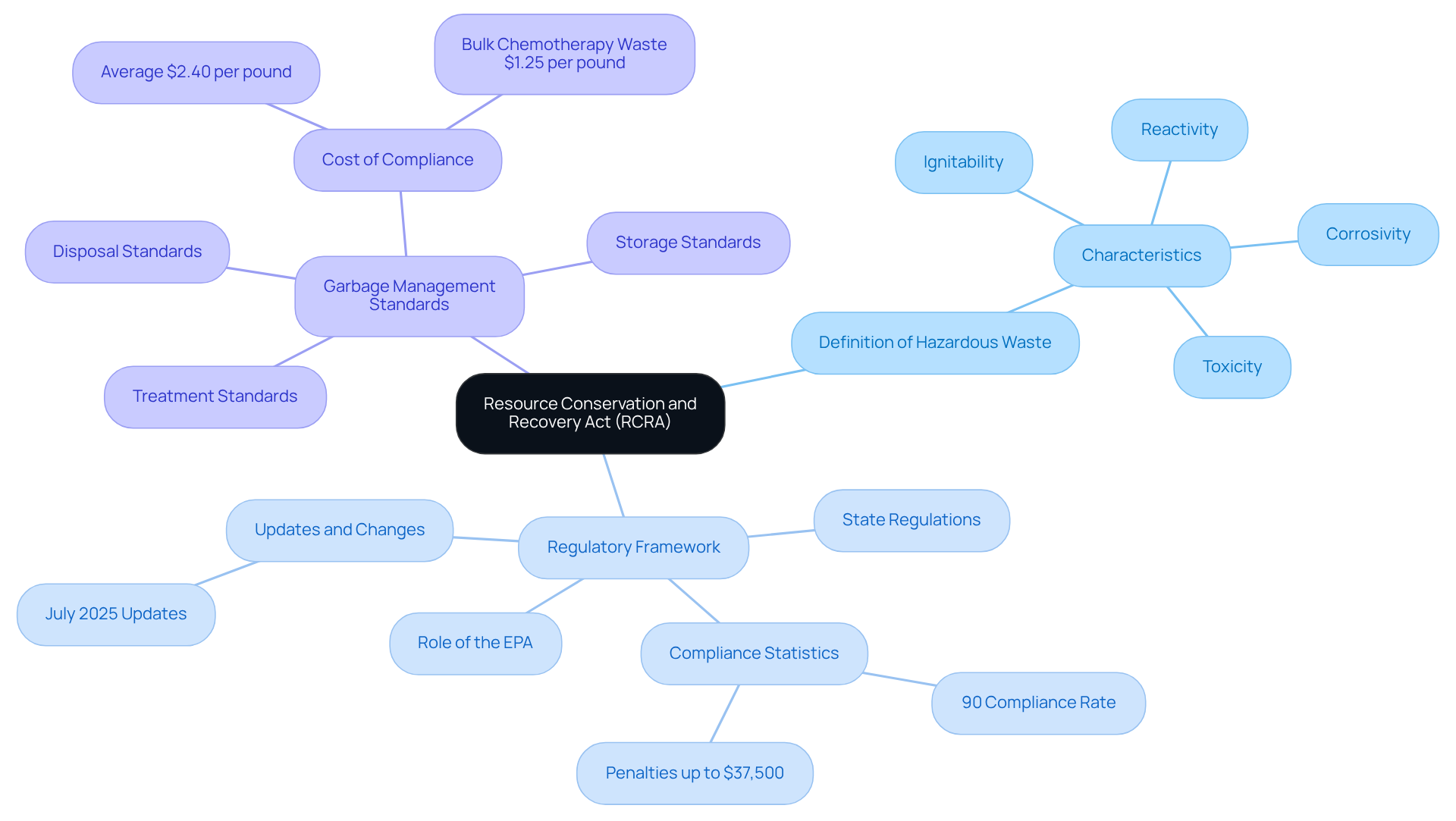
The Resource Conservation and Recovery Act (RCRA) is a pivotal federal statute that governs the disposal of solid and hazardous materials in the United States, with the primary aim of safeguarding human health and the environment through responsible management practices. Compliance officers must be well-versed in several critical aspects of RCRA:
- Definition of Hazardous Waste: Recognizing what qualifies as hazardous waste under RCRA regulations is essential. This includes , which determine the classification of waste materials.
- Regulatory Framework: Comprehending the structure of the Resource Conservation and Recovery Act is crucial. The Environmental Protection Agency (EPA) plays a central role in enforcing adherence, alongside state agencies that may impose additional regulations. As of July 2025, updates to waste management regulations highlight the necessity for continuous education and adjustment to new regulatory requirements. Recent news underscores the EPA's enforcement actions, reinforcing the importance of compliance with these regulations.
- Garbage Management Standards: Knowledge of the standards governing refuse treatment, storage, and disposal is vital for upholding regulations and avoiding substantial penalties. The EPA has reported that adherence to these standards has resulted in a success rate exceeding 90% among regulated entities, underscoring the effectiveness of the legislation in promoting responsible waste management. Non-compliance can lead to penalties of up to $37,500 daily under Subtitle C requirements, making it imperative for regulatory officers to remain informed.
By mastering these foundational elements, regulatory officers can adeptly navigate the complexities of RCRA certification, ensuring their organizations meet legal obligations and contribute to environmental protection. Furthermore, understanding the typical expense of hazardous material management, approximately $2.40 per pound, provides critical context for financial planning. The EPA's 10-step plan for eliminating hazardous waste in healthcare facilities serves as an essential resource for regulatory officers in the pharmaceutical industry, supporting effective waste management practices.
Identify RCRA Training Requirements and Options
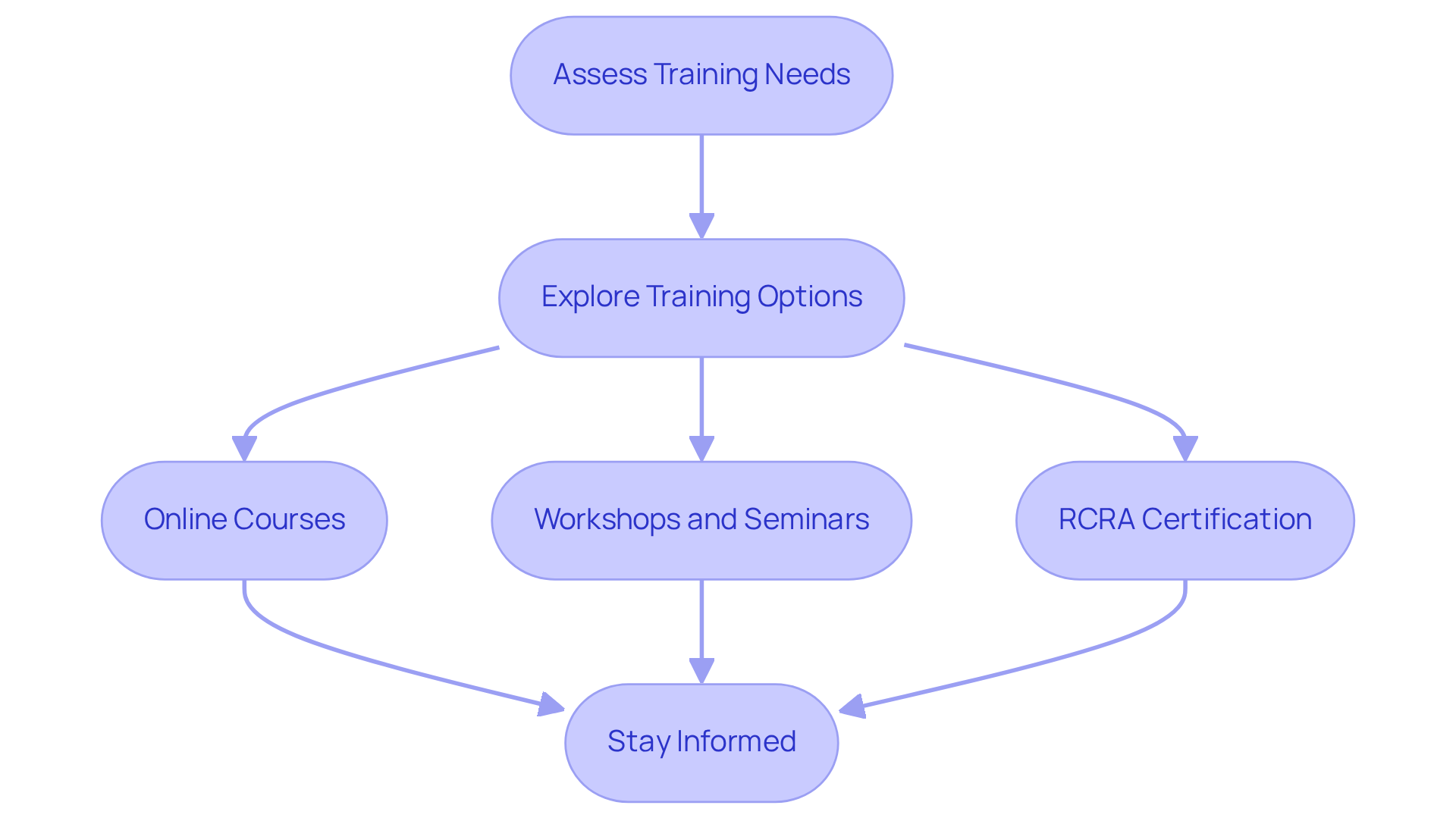
To obtain certification, compliance officials must participate in to comprehend the regulations and their implementation. The following steps outline how to identify training requirements:
-
Assess Training Needs: Evaluate the current knowledge level of your team regarding RCRA regulations and identify gaps that need to be addressed. As Doug Graham pointed out, "The US Congress enacted the Resource Conservation and Recovery Act on October 21, 1976 to tackle rising issues from the expanding amount of municipal and industrial waste," emphasizing the significance of comprehending these regulations.
-
Explore Training Options: Consider various training formats, including:
- Online Courses: Many organizations offer comprehensive online training programs that cover RCRA compliance topics. These courses are increasingly popular due to their flexibility and thoroughness.
- Workshops and Seminars: Attend in-person workshops for hands-on learning and networking opportunities with industry experts. Engaging training methods, such as hands-on demonstrations, can enhance the learning experience.
- RCRA Certification: Seek accredited RCRA certification programs that offer comprehensive knowledge and skills essential for adherence. These programs are created to address the particular requirements of regulatory officers.
Stay Informed: Ensure that training programs are current and reflect the latest regulatory changes and best practices in hazardous materials management. Regular updates assist in upholding regulations and promote a culture of safety within the organization. Remember, the highest civil penalty for a hazardous material violation is over $80,000 daily for each infraction, highlighting the financial consequences of non-compliance.
By selecting appropriate training options and documenting completed training, regulatory officers can enhance their knowledge and prepare efficiently for the certification process.
Prepare for RCRA Certification: Steps to Take
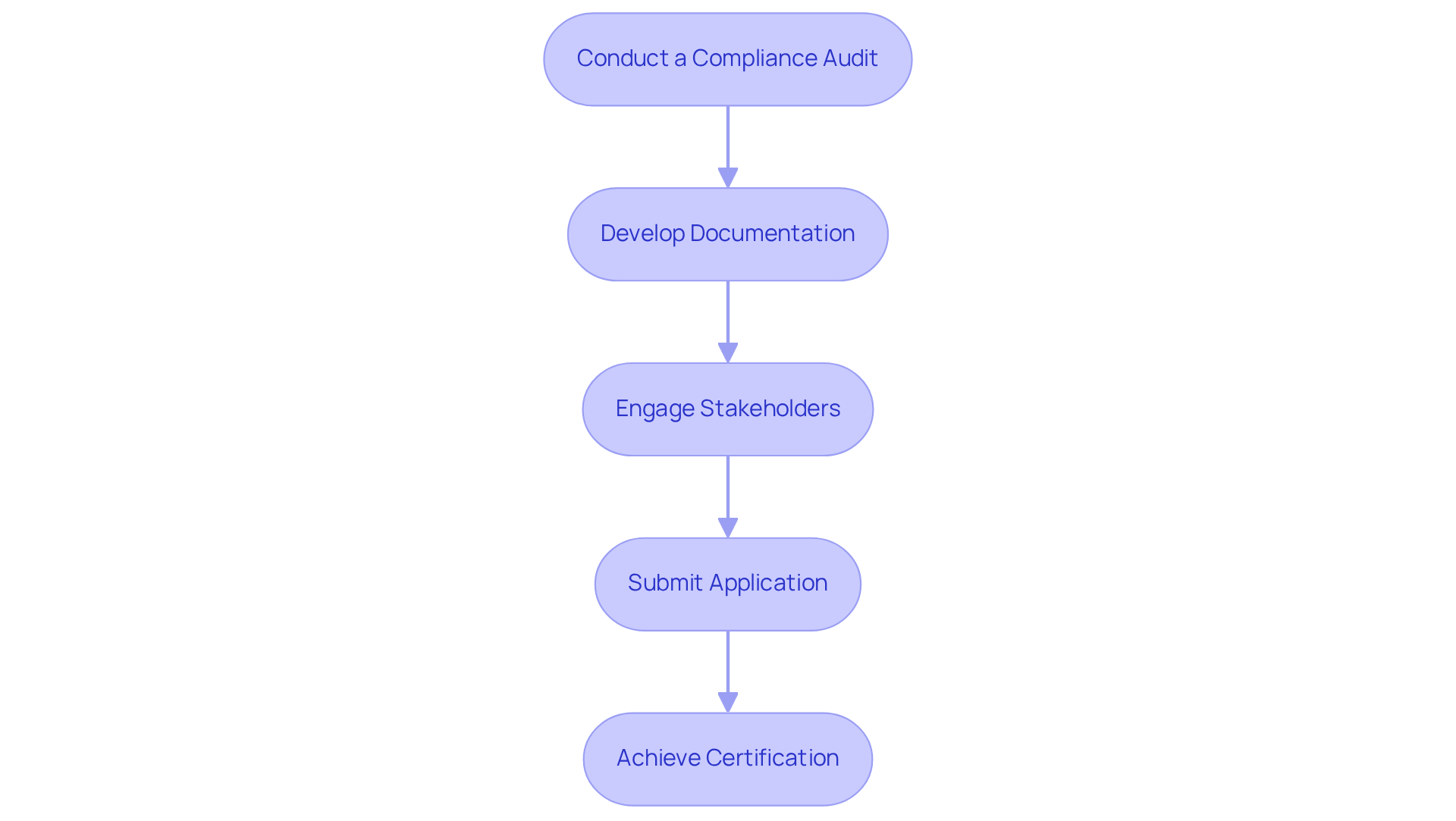
Preparing for RCRA certification entails several essential steps that compliance officers must diligently follow:
-
Conduct a Compliance Audit: Begin with an internal audit to evaluate current waste management practices against RCRA requirements. This process should identify areas needing improvement and develop a targeted action plan to rectify any deficiencies. Notably, a statistical analysis of 4,321 audits indicates that accuracy limits are likely to be achieved over 90% of the time for Methods 6, 7, and 26, underscoring the importance of thorough evaluations.
-
Develop Documentation: Establish and maintain critical documentation, which includes:
- Waste Management Plans: Clearly outline procedures for the handling, storage, and disposal of hazardous waste, ensuring compliance with both state and federal regulations.
- Training Records: Keep detailed records of all training undertaken by staff related to RCRA adherence, as effective training is essential for operational success.
- Inspection Reports: Document findings from regular inspections of waste management practices, as these reports are essential for illustrating adherence during audits.
Engage Stakeholders: Actively involve key stakeholders, including management and operational staff, in the preparation process. This collaborative approach guarantees a and nurtures a culture of accountability.
Submit Application: After completing all preparations, submit the application for hazardous waste management certification to the appropriate regulatory body, ensuring that all required documentation is included. This step is critical, as incomplete submissions can lead to delays or rejections. Regulatory officers should also verify their state's authorization status and be aware of differences between state and federal regulations, as these can influence adherence efforts.
By meticulously following these steps, compliance officers can effectively prepare for certification, demonstrating their dedication to regulatory standards and enhancing their organization's reputation in hazardous material management.
Maintain Compliance After Achieving RCRA Certification
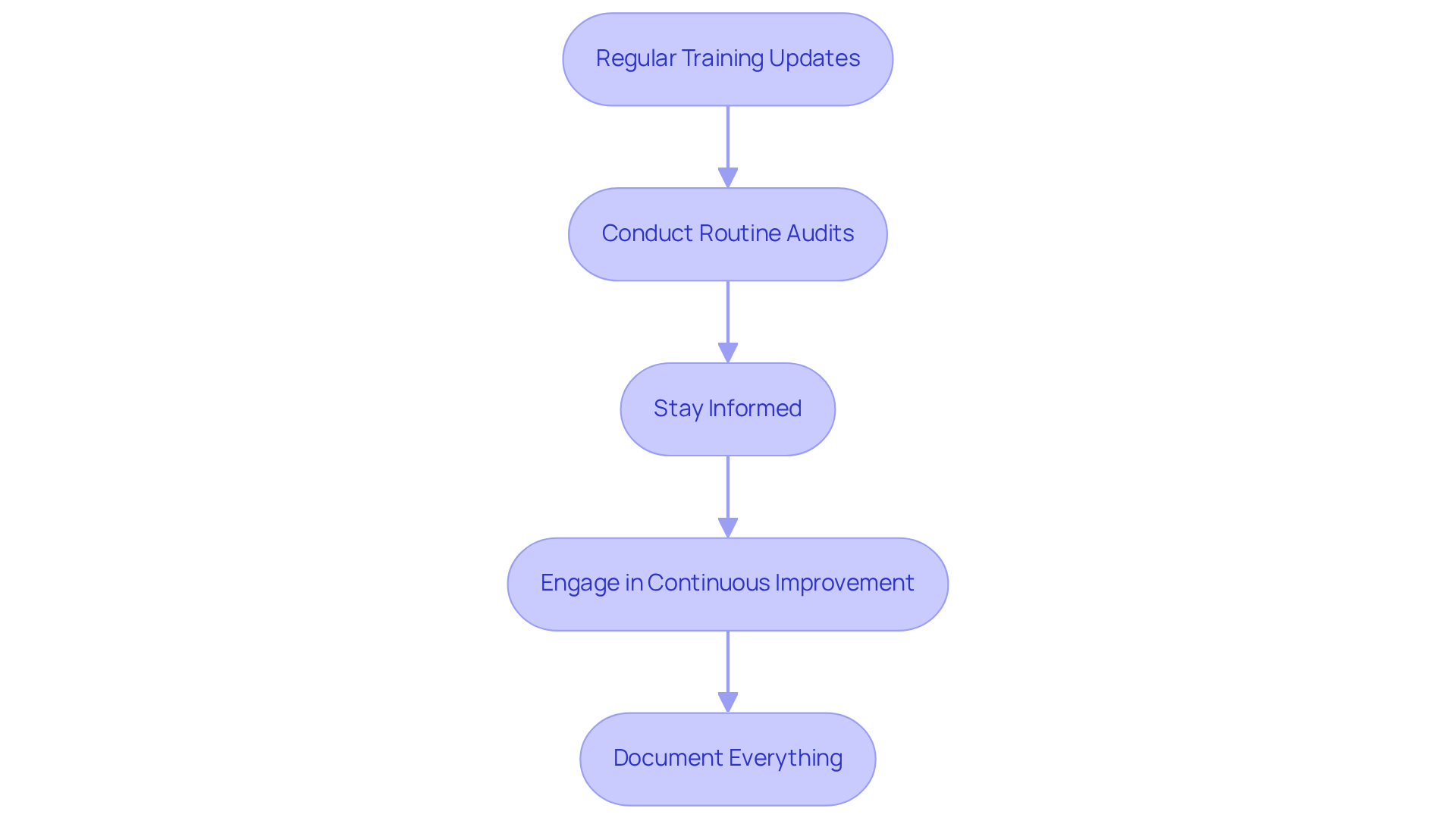
Obtaining RCRA certification for hazardous waste marks a significant milestone; however, upholding compliance necessitates ongoing vigilance and proactive strategies. To ensure adherence to RCRA regulations, consider these essential approaches:
- Regular Training Updates: Schedule periodic training sessions to keep staff informed about the latest changes in RCRA regulations and best practices in hazardous waste management. Compliance officers emphasize that regular updates are crucial for adapting to evolving standards and ensuring that all team members are equipped with the necessary knowledge. AVS Life Sciences offers comprehensive training programs tailored to meet these needs.
- Conduct Routine Audits: Establish a systematic schedule for internal audits to assess adherence to RCRA certification standards. Organizations that conduct routine audits not only identify areas for improvement but also reinforce a culture of accountability and transparency.
- Stay Informed: Actively monitor changes in federal and state regulations concerning hazardous material management. This vigilance is essential for ensuring that align with current legal requirements. AVS Life Sciences provides resources to help organizations stay updated on regulatory changes.
- Engage in Continuous Improvement: Cultivate a culture that encourages staff to report issues and propose enhancements to waste management practices. This proactive method fosters innovation and responsiveness to regulatory challenges.
- Document Everything: Maintain comprehensive records of all regulatory activities, including training sessions, audits, and inspections. Comprehensive documentation serves as proof of continuous compliance with regulatory requirements and is essential during external audits.
By applying these strategies, regulatory officers can guarantee their organizations not only meet RCRA regulations but also obtain RCRA certification, ultimately contributing to a safer and more compliant operational environment. Furthermore, with over 300 experienced associates globally, AVS Life Sciences is well-equipped to support organizations in their compliance training and regulatory needs, as highlighted in a recent case study emphasizing the shift from minimalistic compliance training to comprehensive educational initiatives.
Conclusion
Mastering RCRA certification is essential for compliance officers committed to responsible hazardous waste management. This certification equips professionals with the knowledge required to navigate the complexities of the Resource Conservation and Recovery Act (RCRA), reinforcing their dedication to environmental protection and legal compliance. By grasping the intricacies of hazardous waste classification, regulatory frameworks, and effective management standards, compliance officers can ensure their organizations fulfill crucial legal obligations.
The article delineates a comprehensive roadmap for achieving and maintaining RCRA certification, encompassing key steps from understanding RCRA regulations to identifying training needs and preparing for certification. It underscores the necessity of regular training updates, routine audits, and proactive engagement with regulatory changes. Furthermore, it highlights the importance of thorough documentation as a means of demonstrating compliance and accountability. These strategies not only facilitate successful certification but also cultivate a culture of safety and responsibility within organizations.
Ultimately, the journey to RCRA certification represents an ongoing commitment that transcends initial achievement. It demands continuous improvement, vigilance in monitoring regulatory updates, and a proactive approach to waste management practices. Compliance officers are urged to leverage available resources, such as training programs and industry insights, to enhance their skills and maintain compliance. By prioritizing these efforts, organizations can significantly contribute to a safer environment while ensuring adherence to RCRA regulations.
Frequently Asked Questions
What is the Resource Conservation and Recovery Act (RCRA)?
The Resource Conservation and Recovery Act (RCRA) is a federal statute in the United States that regulates the disposal of solid and hazardous materials to protect human health and the environment through responsible management practices.
What qualifies as hazardous waste under RCRA regulations?
Hazardous waste under RCRA is defined by certain characteristics, including ignitability, corrosivity, reactivity, and toxicity, which determine the classification of waste materials.
Who enforces the regulations of the RCRA?
The Environmental Protection Agency (EPA) is primarily responsible for enforcing RCRA regulations, alongside state agencies that may impose additional regulations.
Why is it important for compliance officers to stay informed about RCRA regulations?
Continuous education and adjustment to new regulatory requirements are essential due to updates in waste management regulations, as well as the EPA's enforcement actions, which highlight the importance of compliance.
What are the garbage management standards under RCRA?
The garbage management standards govern the treatment, storage, and disposal of refuse, which are vital for regulatory compliance. Adhering to these standards has led to a success rate exceeding 90% among regulated entities.
What are the penalties for non-compliance with RCRA regulations?
Non-compliance with RCRA regulations can result in penalties of up to $37,500 per day under Subtitle C requirements.
What is the typical expense associated with hazardous material management?
The typical expense for hazardous material management is approximately $2.40 per pound.
What resources are available for regulatory officers managing hazardous waste in healthcare facilities?
The EPA's 10-step plan for eliminating hazardous waste in healthcare facilities serves as an essential resource for regulatory officers in the pharmaceutical industry, supporting effective waste management practices.