
10 Essential Insights on Continuous Emissions Monitoring Systems

Introduction
Continuous emissions monitoring systems (CEMS) are increasingly vital as organizations face stringent environmental regulations and heightened public concern over air quality. The need for compliance is not just a legal obligation; it’s a commitment to sustainability and operational excellence. As businesses strive to meet these requirements, integrating advanced monitoring technologies becomes essential. This integration not only ensures adherence to regulations but also significantly enhances operational efficiency.
However, the journey to effective implementation is not without its challenges. High initial costs and the complexities of data management can deter organizations from fully embracing CEMS. How can businesses navigate these hurdles while leveraging the full potential of CEMS for a sustainable future? The answer lies in understanding the landscape of compliance solutions and the strategic steps necessary for successful implementation.
By examining successful case studies, organizations can glean insights into overcoming these challenges. For instance, companies that have invested in CEMS have reported not only compliance but also improved operational performance and reduced costs over time. This demonstrates that the initial investment can yield substantial long-term benefits.
In conclusion, the path to effective CEMS implementation requires a clear strategy, an understanding of the challenges, and a commitment to leveraging technology for compliance. Engaging with experts in the field, such as AVS Life Sciences, can provide the necessary support and guidance to navigate this complex landscape. The future of sustainable operations is within reach—are you ready to take the next step?
AVS Life Sciences: Expert Solutions for Continuous Emissions Monitoring Systems
AVS Life Sciences stands at the forefront of addressing the faced by organizations in today's regulatory landscape. With specialized solutions for , they ensure adherence to stringent environmental regulations. Their extensive experience in and positions them as a reliable partner for businesses navigating the complexities of .
By leveraging cutting-edge innovations, AVS Life Sciences enhances data accuracy and across various sectors, including biopharmaceuticals, medical devices, and nutraceuticals. The significance of compliance in cannot be overstated; it directly influences and public health. Organizations that prioritize compliance not only meet regulatory requirements but also contribute to a healthier planet.
Successful implementations in biotechnology companies serve as a testament to the effectiveness of AVS's tailored solutions for . These projects not only satisfy but also elevate operational performance, showcasing the dual benefits of compliance and efficiency. Are you ready to transform your emissions monitoring strategy? Engage with AVS Life Sciences today to explore how their expertise can help you achieve your .

Understanding Continuous Emissions Monitoring Systems (CEMS)
Continuous (CEMS) are essential automated solutions that monitor and report the levels of pollutants emitted from industrial processes. These systems provide immediate insights into emissions, ensuring compliance with .
CEMS typically consist of several , including:
- Gas analyzers
- Sampling probes
- Information acquisition systems
Together, these elements work seamlessly to deliver accurate and timely data on pollutant releases. By employing , organizations can swiftly identify potential and implement corrective actions, thereby .
Consider the case of a manufacturing facility that integrated a CEMS. By doing so, they not only but also enhanced their . This proactive approach not only mitigated risks but also fostered a culture of within the organization.
In conclusion, adopting continuous is not just a regulatory requirement; it is a strategic move towards sustainable industrial practices. Organizations that prioritize position themselves as leaders in environmental stewardship, ultimately benefiting both their bottom line and the planet.
Key Components of Continuous Emissions Monitoring Systems
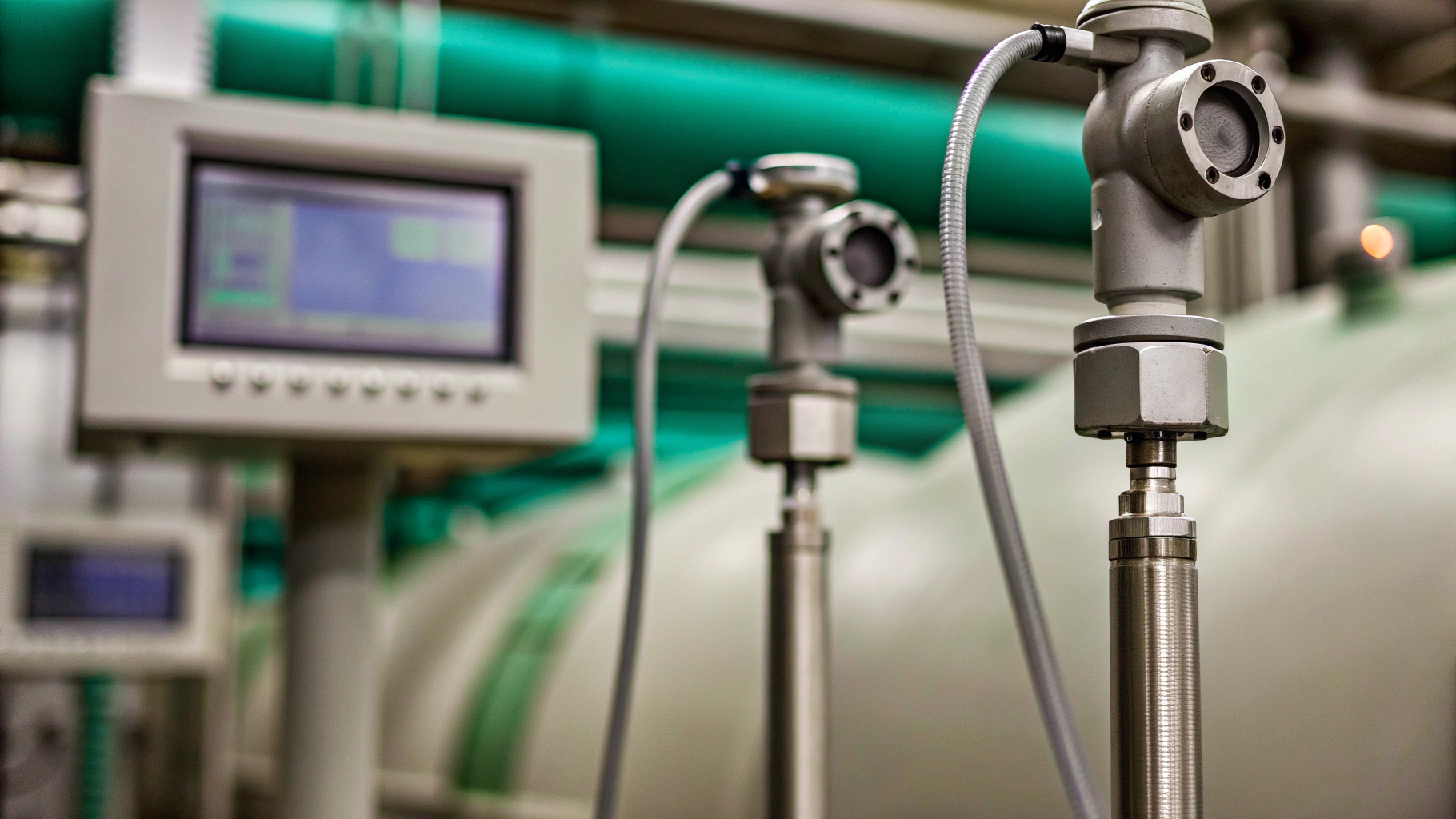
Key elements of are essential for ensuring and . Understanding these components is crucial for any compliance officer facing the challenges of .
- Sample Probes: These devices extract gas samples directly from the emission source, ensuring that the data collected accurately reflects actual emissions. Without reliable samples, compliance efforts can falter.
- : Vital for assessing the levels of specific pollutants, provide real-time data on emissions such as sulfur dioxide, nitrogen oxides, and particulate matter. Advanced models, like CODEL’s GCEM40E, are engineered to withstand extreme flue gas temperatures, significantly enhancing measurement accuracy.
- (DAS): These systems collect and process information from the analyzers, guaranteeing that emissions reports are both precise and timely. They are instrumental in identifying malfunctions and permit exceedances, offering minute-to-minute updates that are critical for compliance.
- : To uphold the accuracy of , supply reference gases. Regular calibration is not just a best practice; it’s essential for ensuring that analyzers deliver reliable data, which is crucial for adhering to EPA regulations.
- : These systems prepare gas samples for analysis by eliminating moisture and particulates that could skew measurements. Proper conditioning is vital for maintaining the integrity of the data collected.
Each element of the plays a pivotal role in the overall reliability and precision of pollutant monitoring. By integrating the latest technologies, these systems not only enhance performance but also empower industries to meet stringent environmental regulations. This ultimately aids in , making compliance not just a requirement, but a pathway to sustainable practices.

How Continuous Emissions Monitoring Systems Operate
(CEMS) are essential for as they consistently sample emissions from designated sources, including smokestacks. The process begins with a sample probe that extracts a gas sample, which is then transported to gas analyzers through a sample line. These analyzers are essential for measuring the concentration of various pollutants, including NOx, SO2, and CO2. The data collected is processed by an acquisition system, ensuring both accuracy and compliance with . Regular calibration and maintenance are crucial for sustaining the reliability and precision of these systems.
Industry experts emphasize that and automated reporting systems significantly enhance the of . For instance, the average response time for is capped at 200 seconds, allowing for . This swift data transmission is vital for industries striving to and avoid costly penalties. Notably, this segment accounted for over 79% of the global revenue in 2023, underscoring its market significance.
Practical applications of emissions sampling and analysis demonstrate the effectiveness of . A prime example is Indonesia's Jawa 9 & 10 coal plant, which has successfully implemented to adhere to updated air quality standards, showcasing the system's critical role in . Similarly, Duke Energy's enhancements to its across coal and gas facilities aim to align with evolving EPA standards, further illustrating the importance of these systems in achieving environmental regulations. As industry experts assert, "The integration of advanced monitoring technologies is crucial for ensuring compliance and enhancing in ." Moreover, the market for this technology is projected to reach approximately USD 4,525.27 million by 2035, reflecting its increasing relevance in the industry.
The Importance of Data Accuracy in CEMS
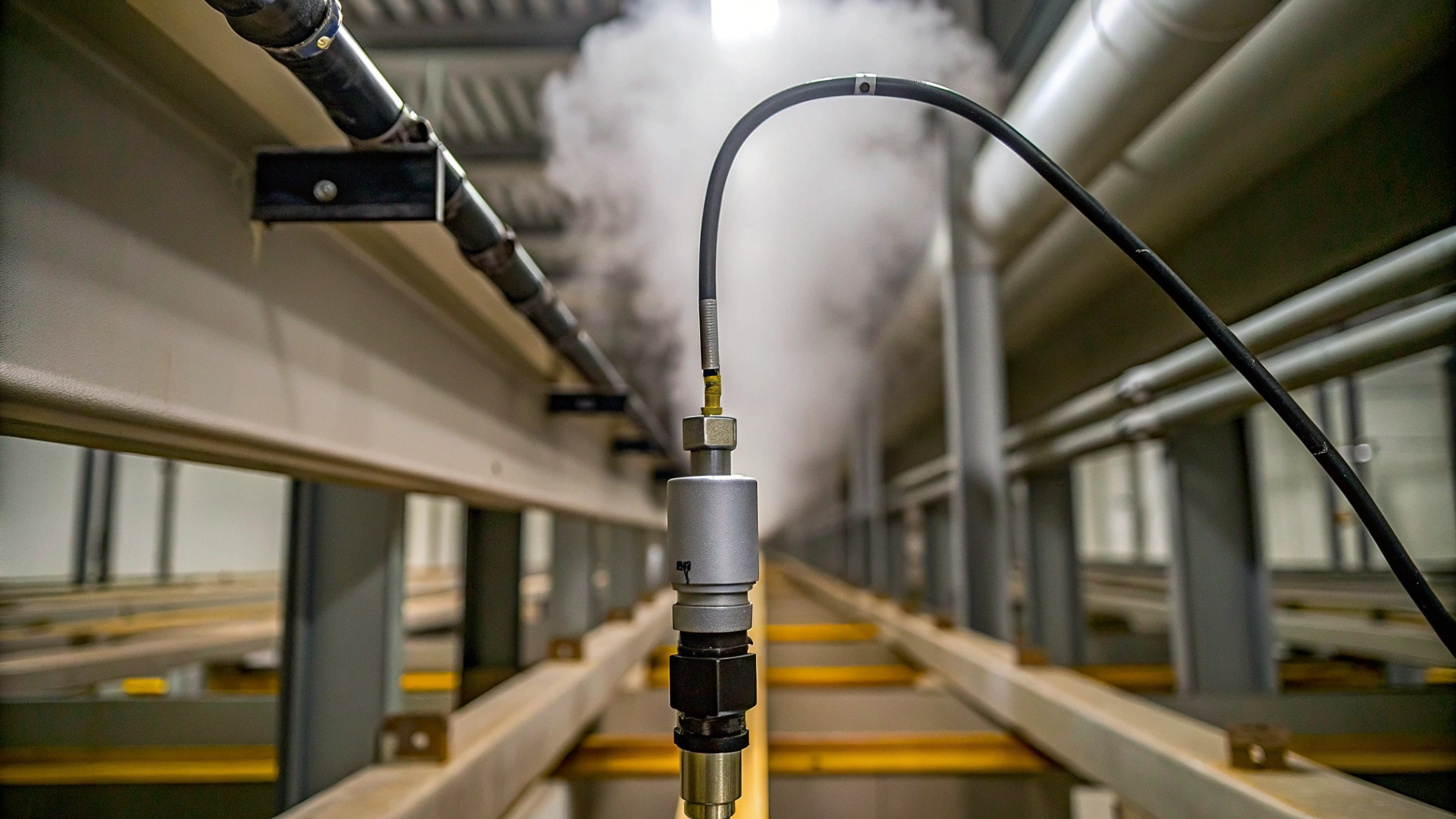
in systems is critical for organizations facing stringent . Incorrect pollutant figures can lead to severe legal repercussions and damage reputations. For instance, non-compliance with may result in hefty penalties and operational restrictions, underscoring the importance of precise information reporting.
Moreover, reliable data on pollutants empowers organizations to devise and improve operational efficiencies. Routine calibration, maintenance, and verification of monitoring devices are essential practices that enhance and ensure compliance with regulatory standards. Oversight officers have noted that maintaining high in systems correlates directly with improved compliance rates; accurate information from these systems facilitates .
As Eric Jones aptly states, "Information accuracy is mainly focused on recognizing and removing mistakes in value entries, such as transcription errors, duplicate records, and erroneous values." Organizations that prioritize not only gain enhanced trust from stakeholders but also demonstrate a stronger commitment to environmental stewardship. This illustrates that are vital for successful compliance and sustainability efforts.
Additionally, the are staggering, costing the U.S. economy approximately $3.1 trillion annually. This figure emphasizes the significant economic consequences of inaccuracies in pollution data. In conclusion, organizations must recognize the importance of in systems, not just for compliance but as a cornerstone of their operational integrity and .**
Regulatory Requirements for Continuous Emissions Monitoring Systems
are subject to rigorous regulatory requirements established by environmental agencies, especially the EPA. At the heart of these regulations is , which outlines the monitoring, recordkeeping, and reporting obligations for emissions from stationary sources. Organizations must ensure their are properly installed, calibrated, and maintained to comply with these standards. Non-compliance can lead to significant fines and operational disruptions.
For example, existing units must complete certification tests within:
- 90 unit operating days
- 180 calendar days after resuming operation
The EPA emphasizes that adhering to these regulations is crucial for safeguarding air quality and public health, highlighting that continuous and meeting environmental standards.
Moreover, organizations should consider that are typically 10-20% higher than those for Predictive Emissions Monitoring Systems (PEMS). This financial aspect is vital when deciding to adopt these systems. Many organizations have successfully implemented continuous emissions monitoring systems to comply with EPA regulations, demonstrating their commitment to and .
These systems not only enable accurate emissions reporting but also help organizations avoid the . This reinforces the necessity of in today’s regulatory landscape. By investing in continuous emissions monitoring systems, organizations can ensure while also contributing positively to environmental stewardship.

Maintenance Practices for Continuous Emissions Monitoring Systems
Effective maintenance practices for are not just beneficial; they are essential for ensuring compliance and operational efficiency. The challenges of maintaining can be daunting, but implementing key practices can significantly mitigate these issues.
- is paramount. Gas analyzers must be calibrated using known reference gases to maintain measurement accuracy. This process is crucial, as the calibration of can be complex and requires strict adherence to regulatory standards. Without proper calibration, the is at risk, potentially leading to compliance failures.
- play a vital role in this process. Conducting visual checks and functional tests helps identify potential issues before they escalate. Regular inspections ensure that all components are functioning correctly, with filters needing checks at least once every six months to guarantee optimal performance. This proactive approach not only preserves system integrity but also enhances reliability.
- is another critical practice. Regularly examining log entries is essential to ensure the precision and uniformity of reporting on pollutants. This practice helps identify discrepancies that could indicate underlying issues with the monitoring system. By emphasizing the significance of regular evaluations, organizations can significantly improve the reliability of their information.
- is a strategy that cannot be overlooked. Establishing a schedule for replacing worn components and performing necessary repairs can prevent unexpected failures. This forward-thinking approach reduces downtime and enhances the dependability of pollution data. As Deniece Schofield aptly states, ": Don't start today by doing yesterday's work," highlighting the importance of .
Integrating these practices not only ensures that the systems function effectively but also aids in adhering to . Furthermore, implementing a Computerized Maintenance Management System (CMMS) can streamline maintenance processes, potentially leading to a 20% time savings for facility management teams. Routine calibration and inspections are not merely best practices; they are crucial for the durability and precision of , ultimately resulting in more dependable pollution tracking.
Are you ready to enhance your ? Engage with AVS Life Sciences to explore tailored solutions that meet your specific needs.

Technological Advancements in Continuous Emissions Monitoring Systems
Recent advancements in are significantly transforming environmental compliance and operational efficiency. Organizations face increasing pressure to meet stringent , and offer essential technological solutions.
- : The integration of these technologies enhances , predictive maintenance, and anomaly detection. By allowing for more accurate monitoring of emissions, AI algorithms can analyze vast datasets to identify pollution patterns and recommend timely interventions. This capability not only improves overall environmental management but also empowers organizations to act swiftly in addressing compliance issues with the help of .
- : Cloud-based platforms facilitate real-time monitoring and , enhancing accessibility and responsiveness. This capability enables organizations to take prompt action in response to identified anomalies by utilizing , ensuring adherence to and minimizing the risk of non-compliance.
- : Innovations in sensor technology provide higher sensitivity and specificity, enabling the detection of a broader range of pollutants. These sophisticated sensors are essential for precise reporting of pollutants within , ensuring organizations meet strict environmental regulations.
- Data Integration: Enhanced data acquisition systems allow for seamless integration with other environmental monitoring tools. This integration of enhances overall , facilitating thorough analysis and reporting that is vital for organizations aiming to fulfill regulatory requirements.
These technological advancements are not just enhancements; they are essential for organizations striving to improve their regulatory efforts and operational efficiency in a rapidly evolving regulatory landscape. By embracing these innovations, organizations can position themselves as leaders in compliance and environmental stewardship.

Challenges in Implementing Continuous Emissions Monitoring Systems
Organizations face significant challenges when implementing , which can greatly affect their operational efficiency and compliance efforts.
- High Initial Costs: The can be substantial, especially for smaller organizations. often deter these companies from adopting necessary monitoring solutions, as they may struggle to allocate sufficient budget for such advanced systems. However, the market for is projected to grow at a compound annual growth rate (CAGR) of 9.5% from 2024 to 2032. This trend underscores the importance of these systems, despite the initial financial burden.
- Technical Complexity: Integrating advanced technologies into existing operations can be both complex and resource-intensive. Organizations must navigate the intricacies of compliance with regulatory standards, which often require specialized knowledge and skills. As Ning Ding noted, "Key challenges for implementation include ," highlighting the multifaceted nature of these difficulties.
- Information Management: Ensuring the accuracy and reliability of gathered information is crucial for effective monitoring of emissions. Older systems may struggle with data integrity, leading to potential compliance issues and increased scrutiny from regulatory bodies. The demand for is intensifying as countries implement stricter regulations on pollutants.
- Regulatory Changes: The landscape of environmental regulations is constantly evolving, necessitating ongoing adjustments to . Organizations must remain agile to adapt to these changes, which can further strain resources. The complexity of regional variations in pollution standards adds another layer of difficulty, making it essential for organizations to stay informed and responsive.
Addressing these challenges is vital for effective implementation, particularly as industries face increasing pressure to comply with stringent environmental regulations. By investing in innovative solutions and fostering a culture of compliance, organizations can navigate these obstacles and enhance their monitoring capabilities for pollutants.
Future Trends in Continuous Emissions Monitoring Systems
Emerging trends in are set to reshape the landscape of and emissions management. As compliance challenges intensify, organizations must adapt to these developments by utilizing to ensure they meet regulatory standards effectively.
- Increased Automation: The industry is increasingly relying on . This shift not only enhances operational efficiency but also significantly reduces the potential for human error, ensuring that lead to more accurate compliance with regulatory standards.
- Integration with IoT: The Internet of Things (IoT) is set to revolutionize pollution monitoring by enabling real-time data sharing and analysis. This integration of allows organizations to manage outputs more responsively, empowering them to swiftly adapt to regulatory changes and operational challenges.
- : With tightening , there’s a growing emphasis on as a aimed at reducing pollutants. Companies are expected to adopt proactive strategies, such as , to minimize their environmental impact and align with global sustainability goals.
- : Advanced analytics tools will enable organizations to extract actionable insights from environmental data. This capability fosters ongoing improvements in adherence and operational performance through the use of , allowing businesses to optimize processes and effectively decrease pollutants.
- : The market for automated pollution tracking technologies is projected to expand at a compound annual growth rate (CAGR) of approximately 4.9%, reaching an estimated size of around $6,000 million by 2028. However, service providers face challenges such as evolving regulatory standards and significant initial investment costs associated with , which may hinder market access for smaller businesses.
- Regional Insights: The Asia-Pacific region is anticipated to experience the fastest growth in the CEMS market, driven by urbanization and rising disposable incomes. This trend underscores the global commitment to enhancing air quality and reducing pollutants through the implementation of .
Environmental analysts predict that these advancements will not only bolster compliance but also contribute to broader environmental goals, reflecting a worldwide dedication to reducing emissions and improving air quality. As organizations navigate these changes, engaging with compliance solutions like becomes essential for sustainable success.
Conclusion
The significance of continuous emissions monitoring systems (CEMS) in today’s industrial landscape is paramount. These systems not only ensure compliance with stringent environmental regulations but also play a crucial role in promoting sustainability and operational efficiency. By investing in CEMS, organizations position themselves as leaders in environmental stewardship, ultimately benefiting both their operational performance and the health of the planet.
Key insights from this article highlight the essential components, operational principles, and maintenance practices that underpin effective continuous emissions monitoring systems. The integration of advanced technologies, such as AI and IoT, enhances data accuracy and facilitates real-time monitoring, ensuring organizations can swiftly respond to compliance challenges. Moreover, understanding the regulatory landscape and the importance of data integrity is vital for successful implementation and ongoing compliance.
In light of these insights, organizations are encouraged to embrace continuous emissions monitoring systems as a strategic imperative rather than merely a regulatory obligation. By doing so, they can not only mitigate risks associated with non-compliance but also contribute to a more sustainable future. Engaging with expert solutions like those offered by AVS Life Sciences can provide the necessary support for organizations to navigate the complexities of emissions monitoring and achieve their environmental goals effectively.
Frequently Asked Questions
What is AVS Life Sciences and what do they offer?
AVS Life Sciences specializes in providing solutions for continuous emissions monitoring systems, helping organizations comply with environmental regulations and enhance operational efficiency across various sectors.
Why is compliance important in continuous emissions monitoring systems?
Compliance is crucial as it directly influences environmental sustainability and public health. Organizations that prioritize compliance not only meet regulatory requirements but also contribute to a healthier planet.
What are continuous emissions monitoring systems (CEMS)?
Continuous emissions monitoring systems (CEMS) are automated solutions that monitor and report pollutant levels emitted from industrial processes, ensuring compliance with environmental regulations.
What are the key components of continuous emissions monitoring systems?
The key components include:
- Sample Probes: Extract gas samples from the emission source.
- Gas Analyzers: Assess levels of specific pollutants and provide real-time data.
- Data Acquisition Systems (DAS): Collect and process information from analyzers.
- Calibration Gas Systems: Supply reference gases for accurate measurement.
- Conditioning Systems: Prepare gas samples for analysis by removing moisture and particulates.
How do continuous emissions monitoring systems benefit organizations?
By implementing CEMS, organizations can improve compliance rates, enhance operational efficiency, swiftly identify regulatory issues, and foster a culture of environmental responsibility.
What industries can benefit from AVS Life Sciences' solutions?
Industries such as biopharmaceuticals, medical devices, and nutraceuticals can benefit from AVS Life Sciences' specialized solutions for continuous emissions monitoring.
How can organizations engage with AVS Life Sciences?
Organizations interested in transforming their emissions monitoring strategy can engage with AVS Life Sciences to explore how their expertise can help achieve compliance goals.
List of Sources
- AVS Life Sciences: Expert Solutions for Continuous Emissions Monitoring Systems
- The United States Emission Monitoring Systems Market Size & Outlook, 2030 (https://grandviewresearch.com/horizon/outlook/emission-monitoring-systems-market/united-states)
- Continuous Emission Monitoring Systems Market Size [2034] (https://fortunebusinessinsights.com/continuous-emission-monitoring-systems-market-113909)
- Emission Monitoring System Market Size, Share, Industry Report, Revenue Trends and Growth Drivers, 2032 (https://marketsandmarkets.com/Market-Reports/emission-monitoring-systems-market-72002872.html)
- futuremarketinsights.com (https://futuremarketinsights.com/reports/continuous-emission-monitoring-system-market)
- statsandresearch.com (https://statsandresearch.com/report/29217-covid-19-global-usa-continuous-emissions-monitoring-systems-cems-market)
- Understanding Continuous Emissions Monitoring Systems (CEMS)
- datahorizzonresearch.com (https://datahorizzonresearch.com/continuous-emission-monitoring-systems-cems-market-10606)
- Emission Monitoring Systems Market Size Report, 2030 (https://grandviewresearch.com/industry-analysis/emission-monitoring-systems-market)
- Emission Monitoring System Statistics and Facts (2026) (https://scoop.market.us/emission-monitoring-system-statistics)
- futuremarketinsights.com (https://futuremarketinsights.com/reports/continuous-emission-monitoring-system-market)
- Key Components of Continuous Emissions Monitoring Systems
- What are Continuous Emission Monitoring Systems (CEMS)? (https://montrose-env.com/blog/continuous-emission-monitoring-systems-cems-what-are-they-and-why-do-they-matter)
- escspectrum.com (https://escspectrum.com/cems-analyzers-what-they-are-and-how-to-use-them)
- EMC: Continuous Emission Monitoring Systems | US EPA (https://epa.gov/emc/emc-continuous-emission-monitoring-systems)
- Emission Monitoring System Statistics and Facts (2026) (https://scoop.market.us/emission-monitoring-system-statistics)
- codel.co.uk (https://codel.co.uk/key-components-of-a-cems)
- How Continuous Emissions Monitoring Systems Operate
- Continuous Emission Monitoring Systems Market Size [2034] (https://fortunebusinessinsights.com/continuous-emission-monitoring-systems-market-113909)
- futuremarketinsights.com (https://futuremarketinsights.com/reports/continuous-emission-monitoring-system-market)
- Continuous Emission Monitoring System Market Size, Growth & Forecast 2032 (https://credenceresearch.com/report/continuous-emission-monitoring-system-market)
- Emission Monitoring Systems Market Size Report, 2030 (https://grandviewresearch.com/industry-analysis/emission-monitoring-systems-market)
- Emission Monitoring System Statistics and Facts (2026) (https://scoop.market.us/emission-monitoring-system-statistics)
- The Importance of Data Accuracy in CEMS
- Data Accuracy vs. Data Integrity: Similarities and Differences | IBM (https://ibm.com/think/topics/data-accuracy-vs-data-integrity)
- The Consequences of Poor Data Quality: Uncovering the Hidden Risks (https://actian.com/blog/data-management/the-costly-consequences-of-poor-data-quality)
- hunton.com (https://hunton.com/the-nickel-report/epa-releases-annual-enforcement-statistics-for-2021-announces-rigorous-enforcement-is-back)
- linkedin.com (https://linkedin.com/pulse/one-accurate-measurement-worth-thousand-expert-opinions-hansen)
- arcadia.com (https://arcadia.com/blog/carbon-reporting-whitepaper)
- Regulatory Requirements for Continuous Emissions Monitoring Systems
- escspectrum.com (https://escspectrum.com/what-is-the-epa-40-cfr-part-75-regulation)
- ecfr.gov (https://ecfr.gov/current/title-40/chapter-I/subchapter-C/part-75)
- mirrorreview.com (https://mirrorreview.com/continuous-emissions-monitoring-systems)
- trinityconsultants.com (https://trinityconsultants.com/services/ehs/air-quality/continuous-emissions-monitoring-systems-cems)
- Maintenance Practices for Continuous Emissions Monitoring Systems
- 5 Quotes for Better Facility Maintenance (https://brightlysoftware.com/blog/5-quotes-for-better-facility-maintenance)
- escspectrum.com (https://escspectrum.com/home/learn-and-support/source-blog/understanding-continuous-emissions-monitoring-systems-cems-a-comprehensive-guide)
- 10 Wise Quotes For Anyone Who Works In Facility Maintenance (https://linkedin.com/pulse/10-wise-quotes-anyone-who-works-commercial-building-natalia-chaaito)
- TOP 25 MAINTENANCE QUOTES (of 283) | A-Z Quotes (https://azquotes.com/quotes/topics/maintenance.html)
- Technological Advancements in Continuous Emissions Monitoring Systems
- 28 Best Quotes About Artificial Intelligence | Bernard Marr (https://bernardmarr.com/28-best-quotes-about-artificial-intelligence)
- Emission Monitoring Systems Market Size Report, 2030 (https://grandviewresearch.com/industry-analysis/emission-monitoring-systems-market)
- sciencedirect.com (https://sciencedirect.com/science/article/pii/S2773049224000278)
- Emission Monitoring System Statistics and Facts (2026) (https://scoop.market.us/emission-monitoring-system-statistics)
- recodeminds.com (https://recodeminds.com/blog/quotes-about-machine-learning-and-ai-by-top-world-leader)
- Challenges in Implementing Continuous Emissions Monitoring Systems
- dataintelo.com (https://dataintelo.com/report/continuous-emission-monitoring-system-cems-market)
- Continuous Emission Monitoring System Market Size, Growth & Forecast 2032 (https://credenceresearch.com/report/continuous-emission-monitoring-system-market)
- sciencedirect.com (https://sciencedirect.com/science/article/pii/S2405844025006887)
- Future Trends in Continuous Emissions Monitoring Systems
- Deep Dive into Continuous Emission Monitoring Systems (CEMS): Comprehensive Growth Analysis 2025-2033 (https://marketreportanalytics.com/reports/continuous-emission-monitoring-systems-cems-354440)
- Emission Monitoring System Market Size, Share & Growth Forecast to 2033 (https://straitsresearch.com/report/emission-monitoring-system-market)
- Emission Monitoring System Statistics and Facts (2026) (https://scoop.market.us/emission-monitoring-system-statistics)
- futuremarketinsights.com (https://futuremarketinsights.com/reports/continuous-emission-monitoring-system-market)