
What is DSCSA? Understanding Its Impact on Pharmaceutical Compliance

Introduction
The pharmaceutical industry is experiencing a transformative shift, driven by the urgent need for enhanced safety and security in drug distribution. Central to this evolution is the Drug Supply Chain Security Act (DSCSA), a landmark piece of legislation that mandates rigorous tracking and verification of prescription medications to combat the pervasive threat of counterfeit drugs.
As companies navigate the complexities of compliance, a critical question emerges: how can they effectively manage the intricate landscape of DSCSA requirements while ensuring operational efficiency and prioritizing patient safety?
This article explores the essential components of DSCSA, its profound impact on pharmaceutical operations, and actionable strategies organizations can implement to excel in this challenging environment.
Define the Drug Supply Chain Security Act (DSCSA)
What is DSCSA? It refers to the , which is a pivotal federal law enacted in 2013 as part of the Drug Quality and Security Act (DQSA). It plays a crucial role in enhancing the safety of the by establishing a robust system for monitoring and tracing prescription medications throughout the distribution process.
What is DSCSA? It mandates that manufacturers, wholesalers, and pharmacies implement systems to verify the authenticity of pharmaceutical products, effectively preventing counterfeit substances from infiltrating the market. This legislation is vital for and maintaining the integrity of the .
Moreover, the FDA's Center for Drug Evaluation and Research (CDER) is taking significant strides in advancing quality management maturity through its new Quality Management Maturity (QMM) program. This initiative encourages producers to embrace quality management practices that exceed the (CGMP) standards.
The QMM program emphasizes five key practice areas:
- Leadership
- Culture
- Risk management
- Continuous improvement
- Quality assurance
By aligning with the QMM program, pharmaceutical companies can enhance their compliance with regulations, ensuring that their quality management systems uphold the integrity and security of the medication distribution network.

Explore the Origins and Regulatory Context of DSCSA
What is dscsa? The (DSCSA) was established in response to escalating concerns about medication counterfeiting and the safety of the . Prior to its implementation, the entry of counterfeit substances into the market posed significant risks to patient safety and the efficacy of treatments. This act emerged from a collaborative effort among key stakeholders, including the FDA, pharmaceutical manufacturers, and healthcare providers. It builds on prior regulations, such as the Prescription Drug Marketing Act (PDMA), illustrating what is dscsa as a pivotal shift towards a more integrated and technology-driven approach to drug tracking and verification.
AVS Life Sciences stands at the forefront of this compliance landscape, offering extensive designed to enhance adherence to supply chain security requirements. Their comprehensive biopharmaceutical services encompass:
- Quality Management Systems Development & Implementation
- Regulatory Submissions
This supports every stage of development. This ensures the integrity of the pharmaceutical distribution network, safeguarding both patient safety and treatment effectiveness.
In an era where compliance is paramount, engaging with AVS Life Sciences is a proactive step towards ensuring robust adherence to evolving regulations. Their not only addresses current challenges but also prepares organizations for future demands in the pharmaceutical sector.

Identify Key Provisions and Requirements of DSCSA
includes several crucial provisions that stakeholders in the must adhere to. These include:
- : Manufacturers are mandated to serialize prescription drug packages with unique identifiers, facilitating effective tracking.
- Transaction Information: Each transaction involving prescription medications is required to include detailed information about the product, encompassing its history and ownership.
- : Wholesalers and pharmacies must verify the legitimacy of pharmaceutical products prior to dispensing them.
- Reporting and Recordkeeping: of medication transactions and report any suspicious activities to the FDA. Collectively, these provisions aim to establish a transparent and secure supply chain, which relates to by significantly reducing the risk of counterfeit drugs.
AVS Life Sciences offers designed to assist stakeholders in effectively navigating these requirements. By leveraging our expertise, pharmacies and manufacturers can ensure compliance and bolster the integrity of their operations.
Analyze the Impact of DSCSA on Pharmaceutical Operations
The execution of the Drug Supply Chain Security Act, or , has significantly influenced pharmaceutical operations throughout the sector. Companies now face compliance challenges that necessitate substantial investments in new technologies and systems to meet . This shift has led to the widespread adoption of advanced tracking systems, such as blockchain technology, enhancing both transparency and security in the supply chain.
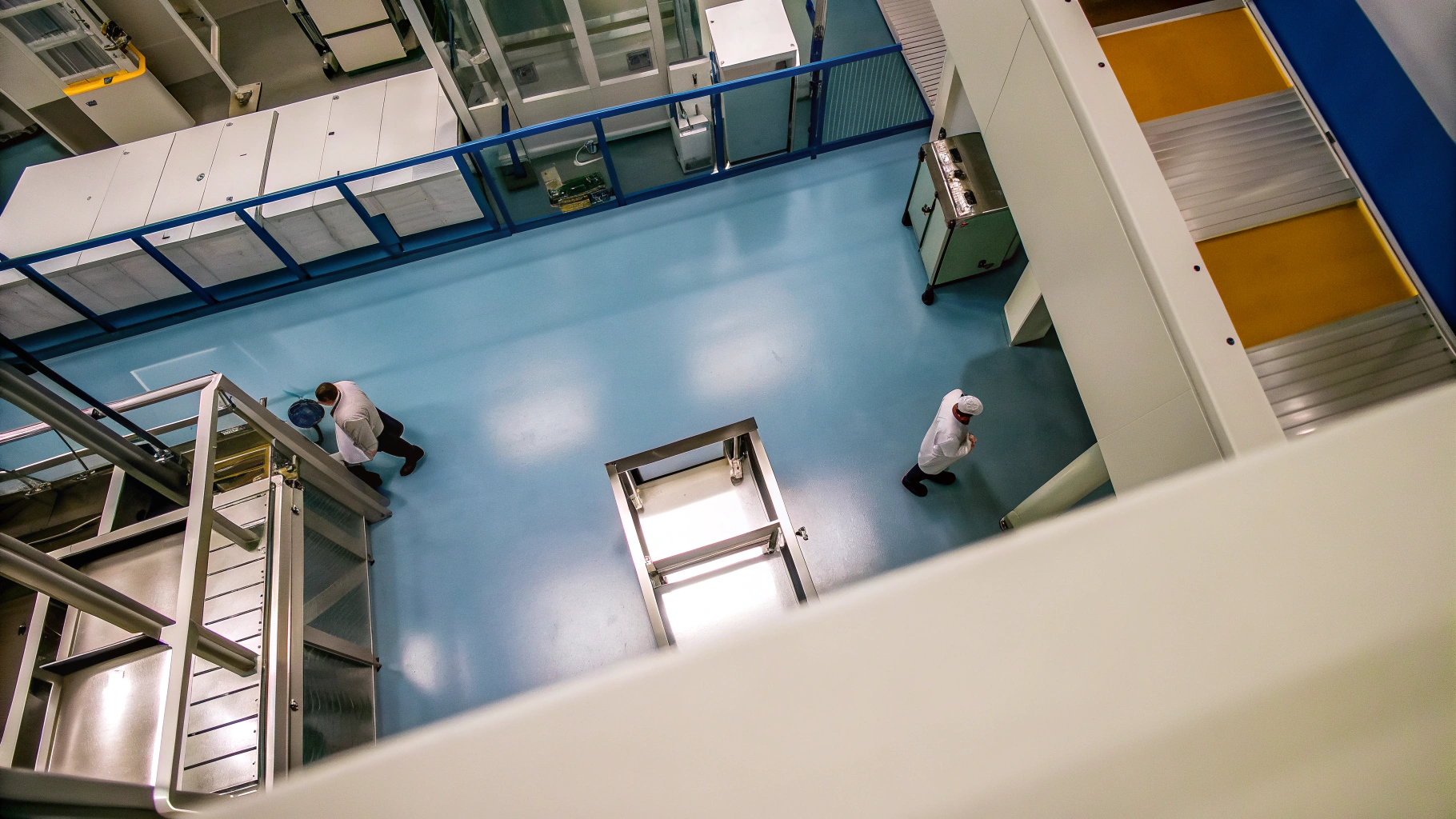
A notable example of this transformation is AVS Life Sciences' successful upgrade of a biotechnology . In this case, they assisted a leading San Francisco-based biotechnology company in transitioning from a Biosafety Level 1 to a Level 2 . This upgrade not only ensured compliance with but also within the organization. However, challenges arose during this transition, such as anomalies in test results caused by improperly installed barcode scanner cameras, which returned misleading values. This oversight underscored the critical need for more rigorous testing protocols.
Moreover, the legislation has prompted organizations to reassess their , which raises the question of , fostering a culture of compliance and vigilance. As a result, companies that effectively implement DSCSA requirements, like AVS Life Sciences, not only enhance their compliance frameworks but also improve operational efficiency and market reputation. This proactive approach is essential for navigating the complexities of the pharmaceutical landscape, ensuring that organizations remain competitive and compliant.
Conclusion
The Drug Supply Chain Security Act (DSCSA) stands as a fundamental pillar in the enhancement of safety and integrity within the pharmaceutical distribution network. Enacted in 2013, this crucial legislation lays out a comprehensive framework designed to prevent counterfeit drugs from infiltrating the supply chain, thereby safeguarding patient safety and ensuring the efficacy of medications.
In this article, we delve into key aspects of the DSCSA, tracing its origins in response to the pervasive issue of medication counterfeiting. We examine the critical provisions it mandates—such as product serialization and verification requirements—and explore its significant impact on pharmaceutical operations. Engaging with expert regulatory services, like those offered by AVS Life Sciences, is imperative for companies seeking to navigate compliance challenges effectively and enhance their operational efficiencies amidst evolving regulations.
Ultimately, the implementation of the DSCSA transcends mere regulatory obligation; it embodies a vital commitment to the protection of public health. As the pharmaceutical landscape continues to evolve, embracing the principles of transparency, accountability, and proactive compliance is essential. Organizations are urged to invest in robust systems and practices that align with DSCSA requirements, ensuring they remain competitive and responsible stewards of the healthcare supply chain.
Frequently Asked Questions
What is the Drug Supply Chain Security Act (DSCSA)?
The Drug Supply Chain Security Act (DSCSA) is a federal law enacted in 2013 as part of the Drug Quality and Security Act (DQSA) that enhances the safety of the pharmaceutical distribution network by establishing a system for monitoring and tracing prescription medications throughout the distribution process.
What are the main requirements of the DSCSA?
The DSCSA mandates that manufacturers, wholesalers, and pharmacies implement systems to verify the authenticity of pharmaceutical products to prevent counterfeit substances from entering the market.
Why is the DSCSA important?
The DSCSA is vital for safeguarding patient safety and maintaining the integrity of the pharmaceutical distribution network.
What initiative is the FDA's Center for Drug Evaluation and Research (CDER) implementing in relation to quality management?
The FDA's CDER is advancing quality management maturity through its Quality Management Maturity (QMM) program, which encourages producers to adopt quality management practices that exceed current good manufacturing practice (CGMP) standards.
What are the key practice areas emphasized by the QMM program?
The QMM program emphasizes five key practice areas: Leadership, Culture, Risk management, Continuous improvement, and Quality assurance.
How can pharmaceutical companies benefit from aligning with the QMM program?
By aligning with the QMM program, pharmaceutical companies can enhance their compliance with regulations and ensure that their quality management systems uphold the integrity and security of the medication distribution network.