
7 Strategies for Effective ai-enabled validation in Compliance

Introduction
In an era where regulatory compliance is increasingly complex, organizations are seeking innovative solutions to maintain their competitive edge. AI-enabled validation presents a transformative approach, streamlining processes and enhancing accuracy while ensuring adherence to industry standards. However, as companies navigate this evolving landscape, a significant challenge persists: how can they effectively implement these advanced technologies to not only meet compliance requirements but also drive operational excellence?
This article delves into seven key strategies for leveraging AI-enabled validation in compliance, revealing the potential for substantial improvements in efficiency and error reduction.
AVS Life Sciences: Pioneering AI-Enabled Validation for Compliance Excellence
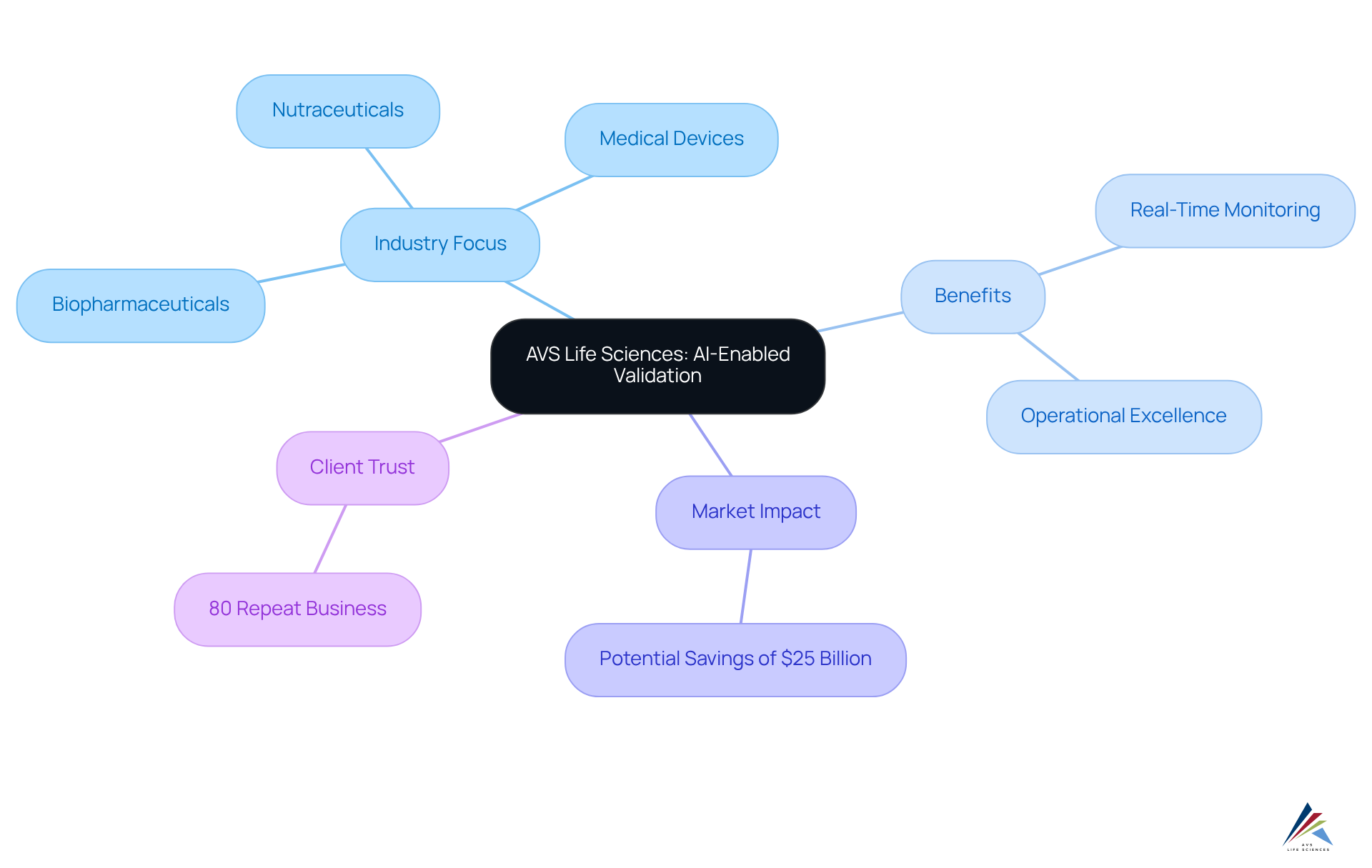
AVS Life Sciences stands at the forefront of , harnessing . The company, with extensive industry expertise and a dedicated focus on biopharmaceuticals, medical devices, and nutraceuticals, empowers clients to not only meet but also achieve . By integrating into validation frameworks, AVS Life Sciences facilitates and adaptive validation strategies—essential components in today’s rapidly evolving compliance landscape. This innovative approach is integral to their comprehensive oversight and , ensuring quality and adherence throughout the drug development lifecycle.
With projections indicating that , AVS Life Sciences exemplifies the within the industry. The firm's commitment to quality is underscored by an impressive 80% repeat business rate, reflecting high client satisfaction and trust. As industry leaders underscore the significance of AI in compliance, AVS Life Sciences emerges as a dependable partner, adept at while fostering continuous improvement. Engage with AVS Life Sciences to explore how their expertise can elevate your .
Streamline Documentation Management with AI-Driven Solutions
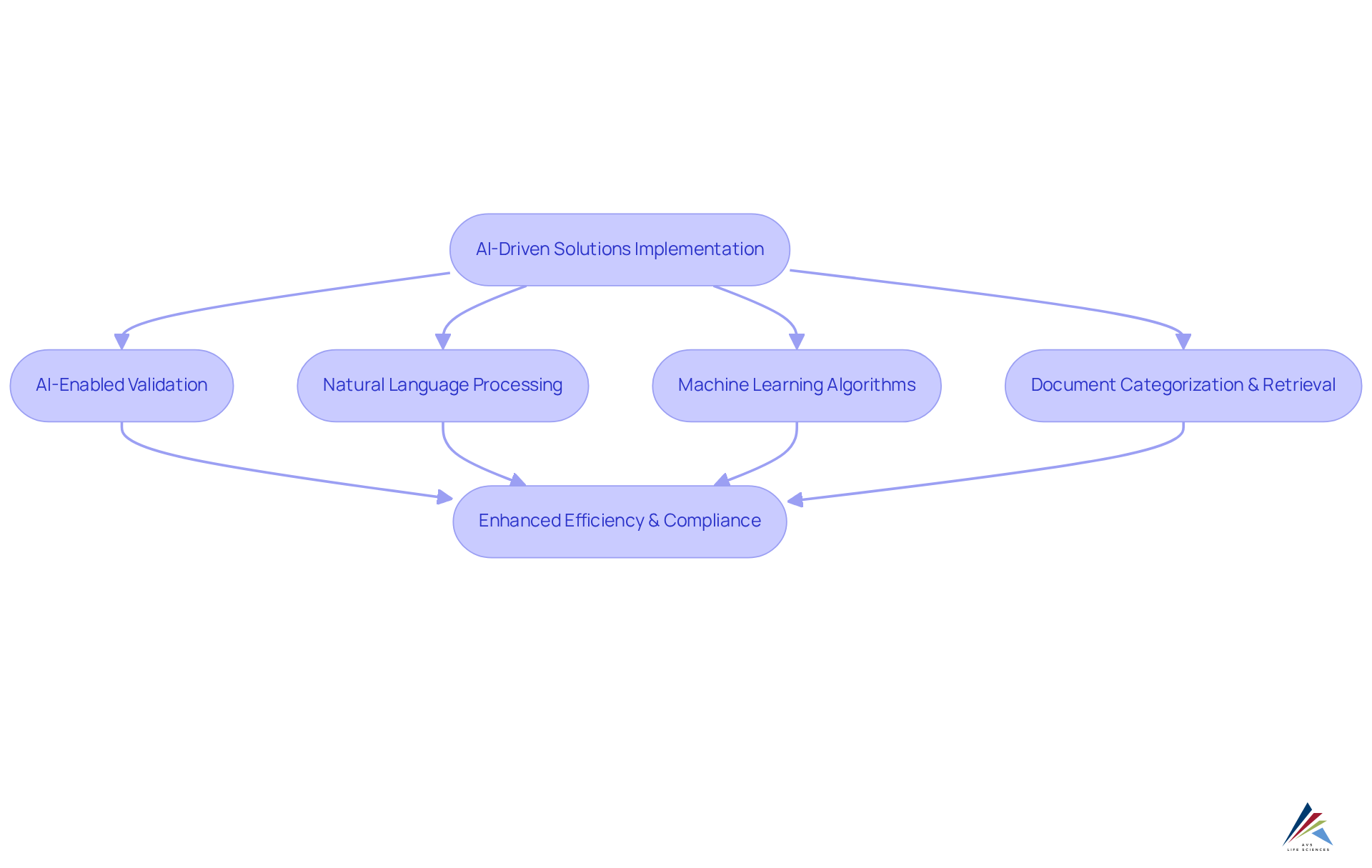
AI-driven solutions, through , are revolutionizing the process by automating the arrangement and retrieval of records, ensuring accuracy, currency, and accessibility. Organizations can implement alongside natural language processing and machine learning algorithms to efficiently categorize and retrieve documents, significantly reducing the time spent on manual searches. This automation not only enhances operational efficiency but also mitigates the risk of non-compliance due to missing or outdated documentation—an aspect that is , where ai-enabled validation is paramount for .
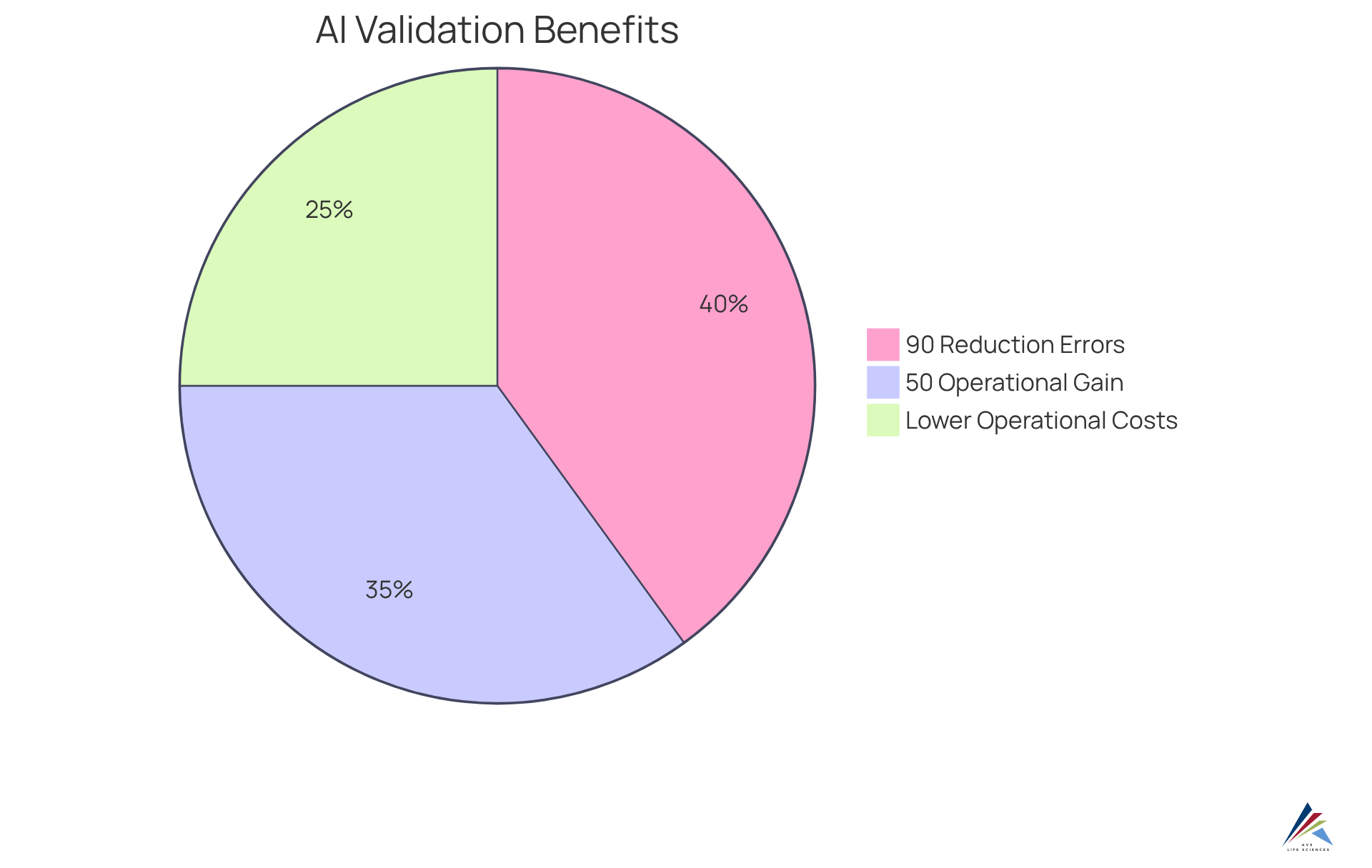
For instance, the effectiveness of such solutions in a recent case study, assisting a leading biotechnology company in upgrading their . This upgrade not only improved documentation practices but also ensured adherence to stringent . Notably, automation can minimize manual errors by as much as 90%. Organizations that have integrated ai-enabled validation into their documentation processes report enhanced accuracy and a significant reduction in , allowing teams to concentrate on strategic initiatives rather than routine tasks.
Moreover, with 83% of IT leaders recognizing as essential for and 60% of organizations achieving ROI within 12 months of implementation, the adoption of AI in is increasingly vital for firms striving to uphold compliance and operational excellence.
Adapt to Evolving Regulations with AI-Enhanced Validation Techniques
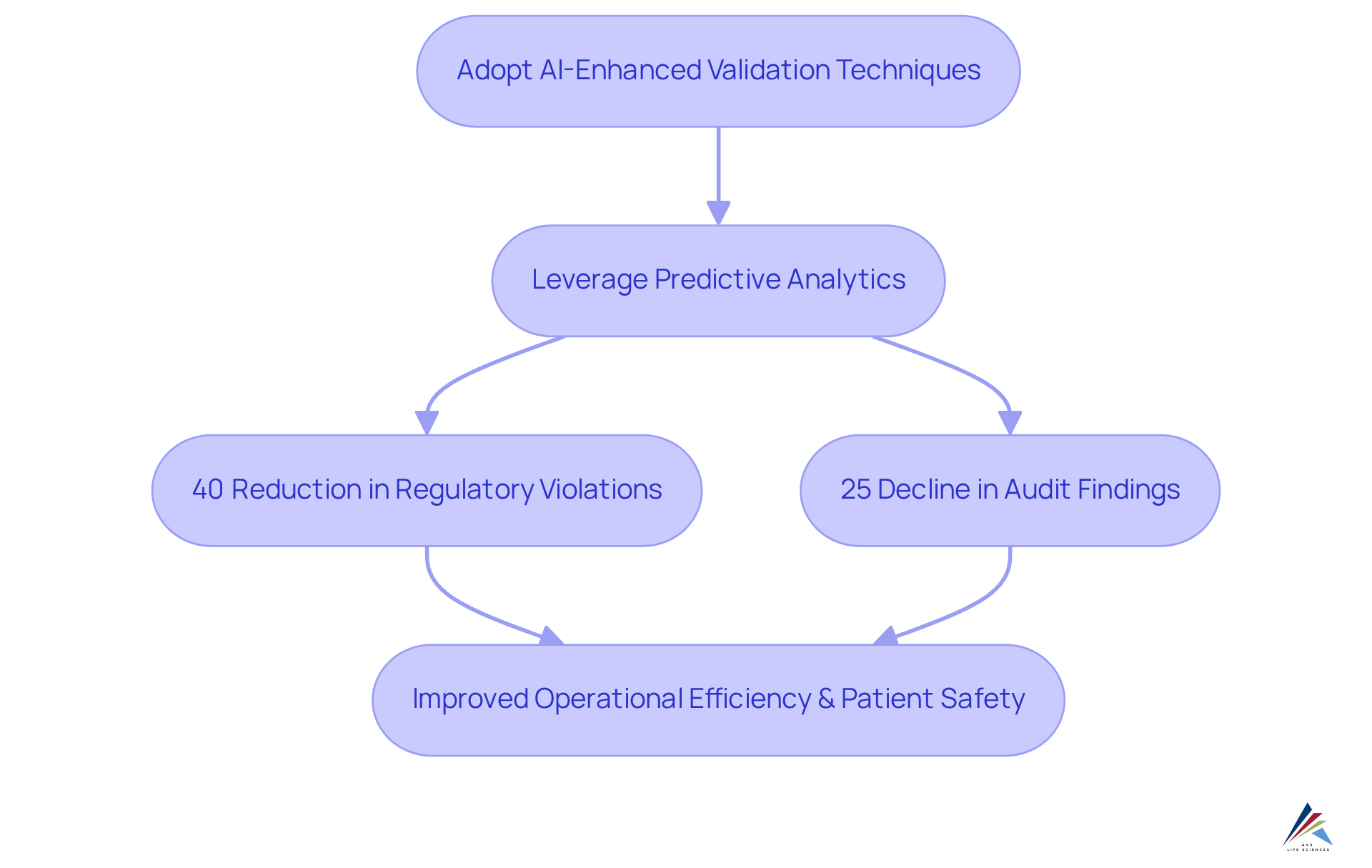
empower organizations to swiftly adapt to evolving regulations. By leveraging , companies can foresee and modify their validation processes proactively. This progressive strategy not only ensures adherence but also fosters a culture of .
For instance, pharmaceutical firms employing have indicated a and a 25% decline in . These results demonstrate the .
AI systems can handle extensive , uncovering trends and potential impacts on existing ai-enabled validation processes. This capability allows organizations to sustain agility and adherence in a changing governance environment, ultimately improving and patient safety.
As highlighted by industry specialists, adopting predictive analytics is crucial for effectively managing the intricacies of .
Enhance Operational Efficiency through Intelligent Validation Automation
is crucial for enhancing by minimizing manual intervention and . By conducting routine checks and balances, automated verification procedures enable oversight teams to concentrate on more . This transformation not only accelerates the verification process but also significantly , ensuring that are consistently upheld.
Organizations that integrate can anticipate while upholding high-quality standards. For instance, companies utilizing automated systems report a remarkable and improved accuracy in documentation. Moreover, the implementation of in validation processes can yield of up to 50%, empowering teams to redirect their focus toward strategic initiatives rather than mundane tasks.
As the regulatory landscape continues to evolve, adopting is imperative for organizations seeking to bolster their operational capabilities and ensure robust management.
Leverage Real-Time Insights for Proactive Compliance Management
Utilizing real-time insights is crucial for efficient proactive regulatory management in the biopharmaceutical and life sciences fields. continuously track adherence metrics, offering notifications to teams about potential problems before they escalate. By employing adjustable dashboards and sophisticated analytics tools, organizations can visualize regulatory data in real-time, facilitating informed decision-making. This not only mitigates risks but also fosters a culture of accountability and transparency within the organization.
AVS Life Sciences exemplifies this approach through its comprehensive and adherence solutions, which encompass GXP, FDA regulations, and standard operating procedures (SOPs). Empowered by real-time insights, regulatory teams can respond swiftly and effectively, ensuring strict adherence to standards.
For instance, organizations employing AI-enabled validation for have reported , with many achieving a 40% reduction in regulatory violations. Furthermore, a recent survey indicated that entities adopting experienced a 30% decrease in costs related to compliance.
As industry leaders emphasize, implementing a is no longer optional; it is an essential element of maintaining trust and operational integrity in today's oversight environment. Compliance officers should consider integrating while also assessing the associated costs and challenges of managing large volumes of data.
AVS Life Sciences' successful upgrade of a biotechnology underscores the significance of quality assurance and , demonstrating how effective management practices can lead to improved outcomes in the life sciences sector.

Minimize Errors with AI-Enabled Validation Systems
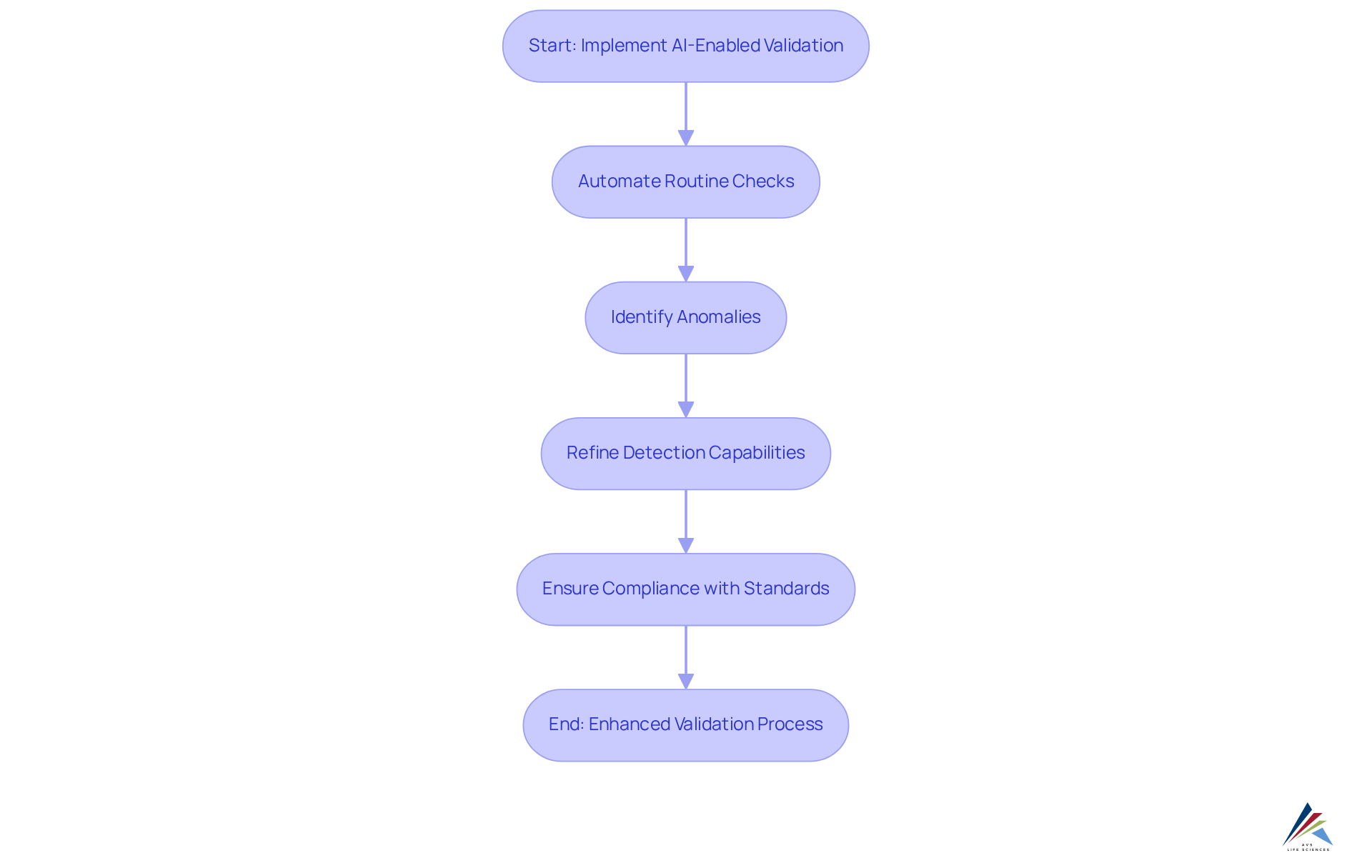
are essential for mitigating errors throughout the verification process. By automating routine checks and employing advanced algorithms, these systems effectively identify anomalies and inconsistencies often missed by manual methods. Organizations leveraging AI-driven verification have reported an impressive compared to traditional approaches. This capability not only but also ensures compliance with , such as GXP and FDA guidelines, is consistently maintained.
Furthermore, from past errors, refining their detection capabilities and significantly decreasing the likelihood of future mistakes. This iterative improvement leads to a more reliable verification process, ultimately and fostering trust in data integrity. To fully harness the advantages of AI-enabled validation, organizations must follow a that incorporates comprehensive documentation practices at every stage. This approach not only fortifies compliance but also enhances within the pharmaceutical and biotechnology industries.
Utilize Predictive Analytics to Foresee Compliance Challenges
Utilizing empowers entities to anticipate potential and . By analyzing historical data and identifying emerging patterns, that may result in non-compliance. This foresight enables oversight teams to develop , ensuring that potential issues are addressed before they escalate.
Organizations that have integrated predictive analytics into their regulatory frameworks report enhanced visibility into their , with 71% of users noting improved monitoring capabilities. Moreover, predictive analytics cultivates a , prompting teams to stay vigilant and responsive to the evolving regulatory landscape.
As regulatory experts emphasize, a is essential for navigating the complexities of compliance in the , ultimately transforming adherence from a reactive obligation into a strategic advantage.

Foster Collaboration Across Departments with AI-Driven Validation
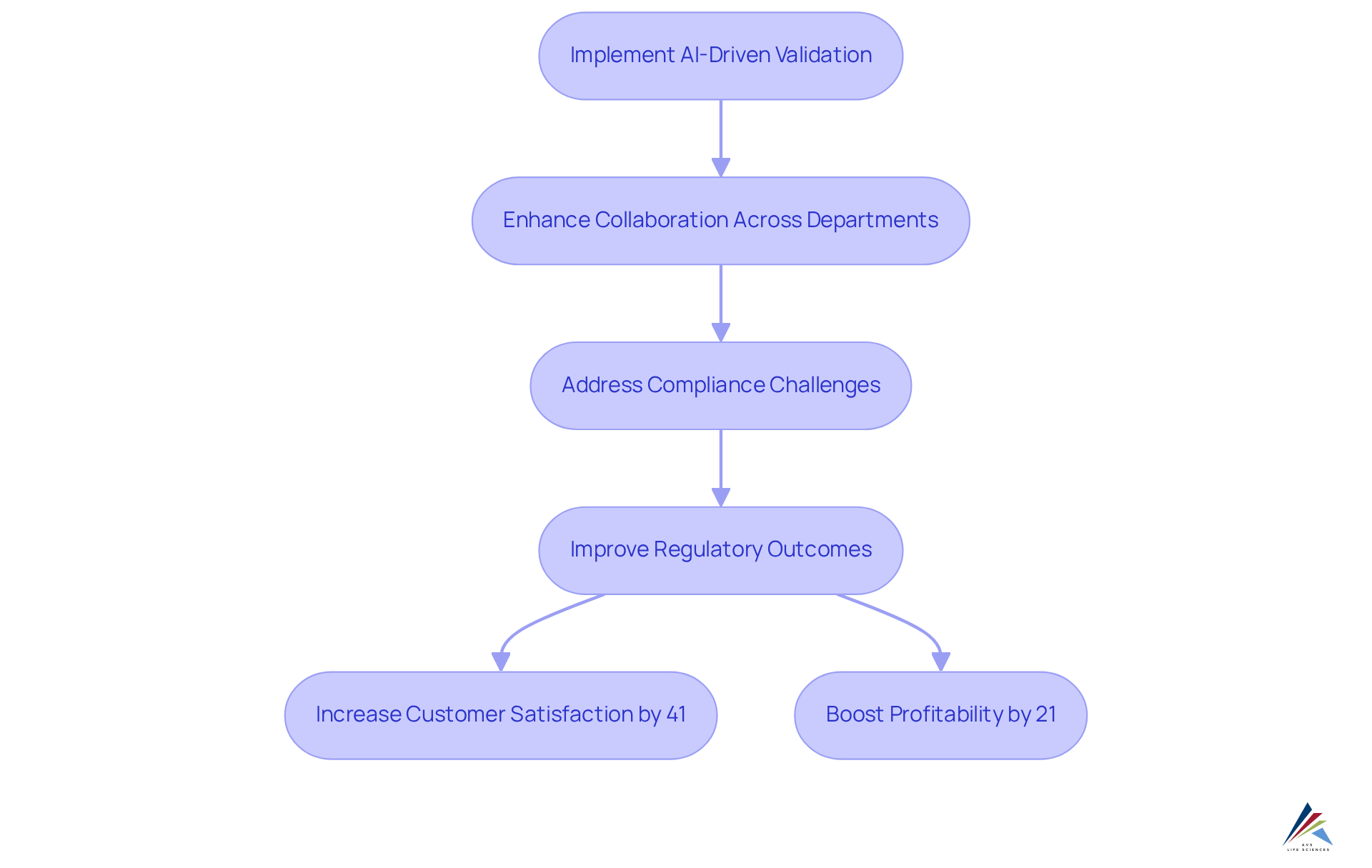
AI-enabled validation significantly enhances collaboration across departments by creating a centralized platform for communication and data sharing. This innovative approach uses ai-enabled validation to address compliance challenges head-on, enabling organizations to break down barriers and foster transparency. By utilizing , all stakeholders can align with , which not only enhances efficiency but also improves the quality of regulatory outcomes.
For instance, real-time communication supported by ai-enabled validation empowers teams to exchange insights and collaboratively address regulatory challenges. This nurtures a unified culture that propels . AVS Life Sciences exemplifies this approach through their extensive , focusing on , including GXP and FDA regulations. Their successful upgrade of a biotechnology GMP facility illustrates how and adherence to quality assurance practices can lead to substantial improvements in operational outcomes.
Studies indicate that can lead to a 41% increase in customer satisfaction and a 21% boost in profitability. Furthermore, with 64% of employees wasting at least three hours a week due to , the demand for AI-driven solutions becomes even more compelling. As a result, organizations can expect improved performance and innovation, making the case for investing in these transformative technologies.
Invest in Training for Effective AI Implementation in Compliance
Investing in training is paramount for the successful integration of AI into . Organizations must implement that equip employees with vital skills, such as interpreting AI-generated insights, managing data responsibly, and adhering to regulatory standards. not only enhances the benefits of AI but also strengthens regulatory initiatives. Training empowers employees, fostering confidence in their ability to to achieve regulatory goals. Notably, 50% of employees express trust in AI for unbiased feedback, indicating a growing confidence in AI tools. Furthermore, organizations that prioritize training report a , which is crucial for maintaining standards in the rapidly evolving life sciences industry. Effective training examples include:
- Hands-on workshops
- Real-time simulations
These methods allow employees to practice using scenarios, ensuring they are well-prepared to navigate complex legal environments.

Transform Pharmaceutical Compliance with AI-Enabled Validation Solutions
are revolutionizing pharmaceutical practices by , and ensuring adherence to industry standards. By harnessing , organizations can automate , which significantly reduces manual errors and boosts overall efficiency.
For example, AI can compress drug development timelines from five years to as little as 12-18 months, underscoring its capacity to . As the industry evolves, companies like Pfizer and Janssen are already integrating AI into their regulatory frameworks, demonstrating improved operational efficiency and agility in responding to regulatory changes.
This transformation not only but also equips organizations to swiftly adapt to market demands. Embracing AI-enabled validation is crucial for sustaining a competitive advantage and securing long-term success in the fast-paced pharmaceutical landscape.

Conclusion
AI-enabled validation is fundamentally reshaping compliance within the pharmaceutical industry, presenting organizations with innovative avenues to bolster accuracy, efficiency, and adherence to regulatory standards. By integrating advanced technologies, companies can automate routine tasks, reduce errors, and swiftly adapt to evolving regulations, ultimately positioning themselves for success in a competitive market.
This article explores several key strategies for implementing AI-enabled validation:
- Streamlining documentation management
- Leveraging predictive analytics
- Fostering interdepartmental collaboration
- Investing in comprehensive training programs
Each strategy underscores the transformative potential of AI, not only in enhancing compliance but also in driving operational excellence and improving overall organizational performance.
Embracing AI-enabled validation is not merely a trend; it is a strategic necessity for organizations seeking to thrive in the rapidly evolving pharmaceutical landscape. By adopting these advanced solutions, companies can mitigate compliance risks while unlocking significant efficiencies that lead to superior quality outcomes and enhanced patient safety. The call to action is unequivocal: organizations must invest in these technologies and cultivate a culture of continuous improvement to maintain an edge in compliance and operational excellence.
Frequently Asked Questions
What is AVS Life Sciences known for?
AVS Life Sciences is known for pioneering AI-enabled validation, focusing on revolutionizing compliance processes in the biopharmaceutical, medical device, and nutraceutical industries.
How does AI-enabled validation benefit compliance processes?
AI-enabled validation facilitates real-time monitoring and adaptive validation strategies, which are essential for maintaining quality and adherence throughout the drug development lifecycle.
What are the projected financial benefits of AI in clinical development?
Projections indicate that AI could save up to $25 billion in clinical development costs.
What is the client satisfaction rate for AVS Life Sciences?
AVS Life Sciences has an impressive 80% repeat business rate, reflecting high client satisfaction and trust.
How does AI improve documentation management?
AI-driven solutions automate the arrangement and retrieval of records, ensuring accuracy, currency, and accessibility, which enhances operational efficiency and reduces the risk of non-compliance.
What technologies are used alongside AI for documentation management?
AI-enabled validation is used alongside natural language processing and machine learning algorithms to efficiently categorize and retrieve documents.
What impact does automation have on manual errors in documentation?
Automation can minimize manual errors by as much as 90%, significantly improving accuracy in documentation practices.
What percentage of IT leaders recognize workflow automation as essential for digital transformation?
83% of IT leaders recognize workflow automation as essential for digital transformation.
How do AI-enabled validation techniques help organizations adapt to regulatory changes?
These techniques leverage predictive analytics to foresee regulatory changes and modify validation processes proactively, ensuring adherence and fostering a culture of ongoing enhancement.
What are the reported benefits of using predictive analytics in pharmaceutical firms?
Pharmaceutical firms using predictive analytics have reported a 40% reduction in regulatory violations and a 25% decline in audit findings.
Why is adopting predictive analytics important for organizations?
Adopting predictive analytics is crucial for effectively managing the complexities of regulatory requirements and improving operational efficiency and patient safety.